 John Myers
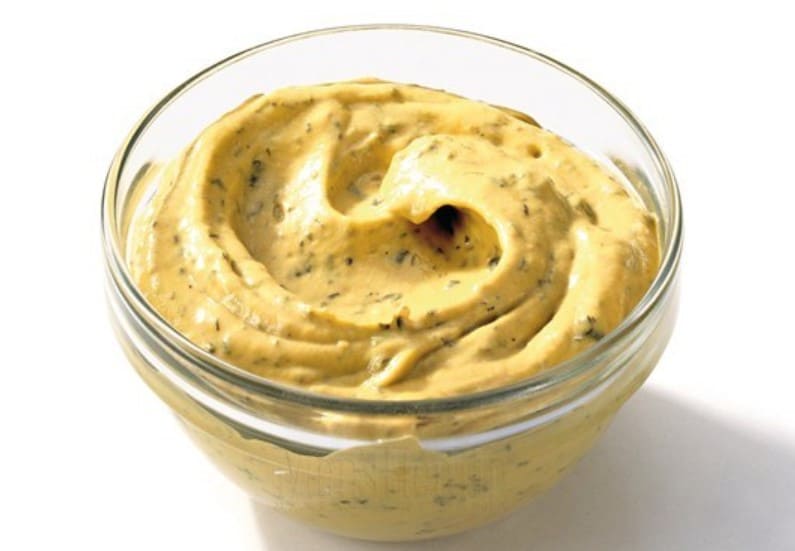
Mustard is a very versatile condiment, which is why it is used in many different ways in the kitchen. A distinction is made between several types of mustard, each with its own unique aroma. They are all made from mustard seeds. Brown mustard seeds are usually mixed with yellow ones. Since the brown grains have a rather sharp aroma and the yellow ones are rather mild, the flavor of the finished product results from the mixing ratio. Other ingredients are water, vinegar, salt, and other spices.
A basic distinction is made between mild, medium-hot, hot, and sweet mustard:
- Mild mustard is made from mostly yellow mustard seeds and has a delicate flavor. It is well suited for salad dressings and mustard sauces as well as for the production of mayonnaise.
- The medium hot variant consists of equal parts of yellow and brown mustard seeds and tastes spicy. It is particularly widespread in this country and is often served with bratwurst, for example, or processed into the mustard sauce.
- Spicy mustard consists mainly of brown and a little yellow seed and has a piquant taste. As a result, it also goes well with fried sausages or meatloaf. A particularly well-known example of hot mustard is Dijon. Its manufacturing process is precisely defined; in the event of deviations, it may only be described as “Dijon-style” or something similar. Instead of vinegar, it contains sour must or wine.
- Sweet mustard also consists of yellow and brown mustard seeds. It gets its sweetness from the added sugar, sometimes honey, apple sauce, or sweetener. In addition, the mustard seeds are roasted and thus develop a nutty taste. Sweet mustard is traditionally served with white sausages and also complements salad dressings.
In addition, other ingredients are added to many types of mustard during the manufacturing process – such as herbs that give hot, medium-hot, and mild mustard types a special aroma. An example is tarragon mustard. So-called herb mustards contain mixtures of herbs. Both varieties go well with meat and fish. Barbecue mustard, on the other hand, contains paprika powder and is used in a similar way to herb or tarragon mustard. Another special type of mustard is horseradish mustard. It contains grated horseradish, its spiciness complements the aroma of fish dishes (e.g. trout) or beef particularly well. Fig mustard, on the other hand, contains the fruity aroma of very ripe or dried figs. It goes particularly well with cheese and gives salad dressings a special touch.
Finally, mustard seeds, which are required for the production of all types of mustard, are also used in the kitchen. In this country, the yellow, milder mustard seeds are particularly widespread. They season pickled vegetables and form an aromatic addition to light sauces with fish or meat. They are also often used in potato salad.


Facebook Comments