 John Myers

5 Myths about milk debunked
A glass of milk a day is the recommendation of professional societies. Because it strengthens the bones and is healthy – they say. But is that true? We took a closer look at common health myths surrounding milk: What’s the evidence like?
Whether milk, yoghurt, quark or cheese – they should provide our body with important proteins, vitamins and calcium. But does our body need dairy products to meet its needs? And can too much milk even be harmful? Here’s what studies say about common dairy myths:
Does milk strengthen bones?
Milk and dairy products are high in calcium and vitamin D. These nutrients are needed for bone formation and stability. This is one of the reasons why the German Society for Nutrition recommends consuming dairy products such as yoghurt or cheese every day. But are milk and dairy products particularly good at preventing bone fractures?
Probably not:
There is no connection between strong bones and high milk consumption – at least in adulthood. There is even data showing that the risk of fractures increases with increasing consumption of milk. One possible explanation: milk promotes growth. And taller people, in turn, have an increased risk of fractures, observational studies show. The evidence is not quite as clear for children and adolescents, as they have higher nutritional requirements during the growth phase.
Basically, it can be said that the body regulates the absorption of calcium itself: If it is supplied with a lot of calcium, it excretes the amount that is not required. If he receives less calcium from food, the body regulates the absorption of the nutrient upwards. Incidentally, the body can cover its calcium requirements for healthy bones not only from milk, but also from other sources, e.g. from kale, broccoli or nuts.

Does milk make you tired?
Warm milk in the evening is said to have a sleep-inducing effect. This has not yet been scientifically proven. While milk does contain several compounds known to support healthy sleep cycles, including tryptophan and melatonin. However, these are so low in concentration that a single glass of milk is not enough to prepare the body for sleep. Rather, experts suspect that a glass of warm milk every evening is a calming ritual to fall asleep.
Does milk help you lose weight?
If you want to lose weight, you should consume dairy products. At least that’s what some diet guides say. Among other things, the calcium present in milk is said to promote fat breakdown. But is it really true that milk helps you lose weight?
That’s not the case:
If you eat more dairy products, you won’t lose weight – at least not as long as you don’t limit your other calorie intake as well. And even with a limited calorie intake, the weight loss success with the help of dairy products seems to last only for a short time. Only yoghurt can possibly have a positive effect.
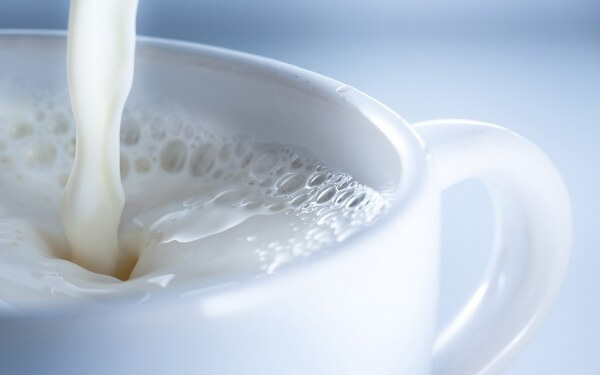
Is milk healthy for the heart and circulation?
Milk is also rich in potassium. This nutrient is said to have a positive effect on blood pressure. Milk is also said to protect against cardiovascular disease. Is there something to it?
It depends:
The study indicated that milk can have a positive effect on blood pressure. BUT: It always depends on how the study participants have eaten beforehand. When milk replaces sweetened beverages or red meat, the results are positive for milk. If the participants had replaced dairy products with nuts, vegetables or fruits, the study would probably have come to a different conclusion.
The statements on the alleged cardiovascular effects of dairy products are also controversial. So far there has been no connection between the consumption of milk and the incidence of coronary heart disease or stroke. Milk could only prevent cardiovascular diseases in people in low-income countries. The reason is a lack of nutrients that could be compensated for with dairy products.
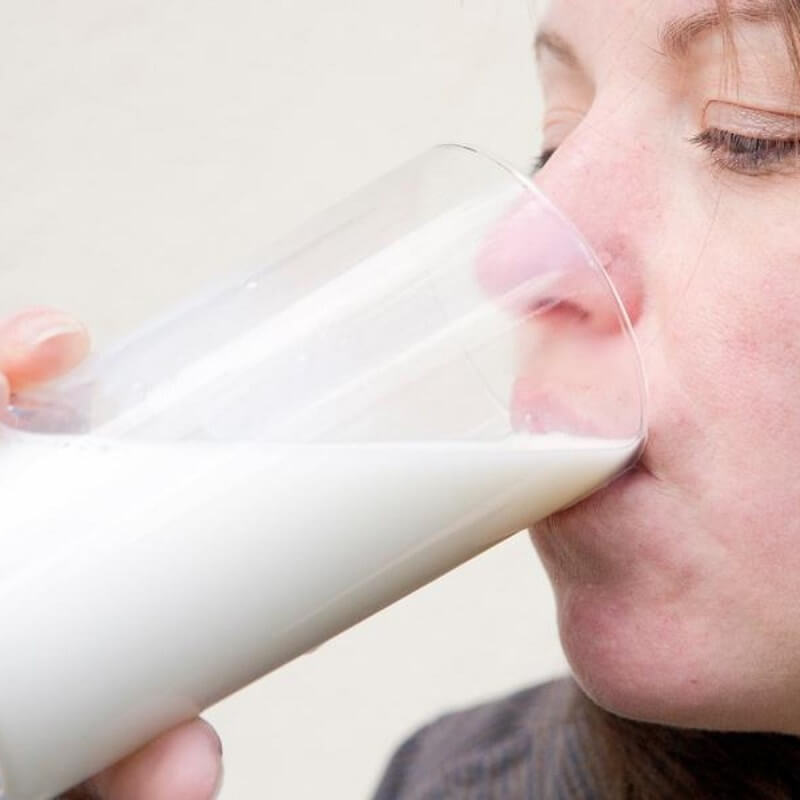
Does milk cause acne?
Do different substances in milk, such as hormones or substances that stimulate the formation of certain hormones, cause bad skin? Or does milk have no effect on the skin at all?
In fact, there is a connection:
There is a connection between the consumption of milk and an increased risk of acne. This has been shown by several observational studies with children, adolescents and young adults between the ages of seven and 30. The more milk was drunk, the stronger this connection is. However, these results should be interpreted with caution, since the individual studies were conducted differently and there were also severe methodological deficiencies in some cases.
And now? What does that mean for our diet?
So far it has not been clarified what exactly constitutes the health-promoting or harmful effects of milk. Ultimately, the milk is so rich in components that both effects are conceivable. However, the recommended daily amounts of milk and milk products can at least be questioned. The optimal intake depends on the diet of the individual person: for those who consume few nutrients and food of poor quality, milk can contribute to a more balanced diet. On the other hand, those who eat a varied diet with high-quality foods probably do not have any significant added value from additional dairy products.



Facebook Comments