 John Myers
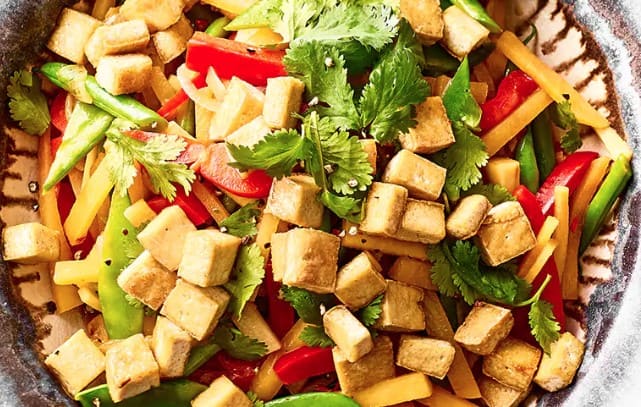
Vegetarianism is not just vegetarianism, but there are different types of meatless diet. We introduce you to the lacto-vegetable variant.
Milk yes, eggs no: lacto vegetarians
Vegetarian diets do not include meat, fish, and seafood, something that all forms of this way of life have in common. Some remove other foods from the menu: Vegans do not consume any products of animal origin at all, i.e. no milk and dairy products, eggs, and honey. On the other hand, lacto-ovo-vegetarians eat these foods, while lacto-vegetarians omit the eggs. In addition, there are other groups that live according to narrow guidelines. Raw foodists, for example, opt exclusively for uncooked, unprocessed ingredients.
This is what lacto vegetarians eat
Lacto-vegetarians mainly eat plant-based foods enriched with milk, cheese, and honey. As a result, all important nutrients are usually absorbed. Vegetarian food includes a lot of vegetables, fruit, and salad, plus cereals, legumes, and possibly protein suppliers such as tofu – our tofu recipes show you how.
From a nutritional point of view, not eating eggs is not critical. They mainly contain vitamins from the B group as well as vitamins D and E: nutrients that can also be obtained from plant-based foods, milk, and dairy products. Good sources of vitamin D include avocados and mushrooms, B12 is found in cheese, and nuts and whole grain products are good sources of the B vitamins.
Do vegetarians need supplements?
Those who eat a balanced vegetarian diet do not need any dietary supplements. However, some nutrients are less frequently found in plant products than in meat. Vegetarians should therefore make sure that they have an adequate intake of alternative foods. This is all the more true when all animal products are avoided, as vegans do.
Protein, iron, iodine, vitamin B12, and omega-3 fatty acids are among the nutrients that we usually get from meat and fish. To prevent a deficiency, however, vegetarians do not have to resort to dietary supplements. Vegetable products also provide enough of it, provided they are regularly on the menu. Algae, for example, are at the top of the list when it comes to the iodine content in food.
The protein requirement can be covered with legumes, such as beans, lentils and peas. Pay attention to the combination of different protein products so that you get all the essential amino acids. Soybeans, tofu, and nuts are also rich in protein. They are also vegetarian sources of iron. Millet, oatmeal, and pumpkin seeds are particularly rich in the mineral, as are soy products and legumes such as lentils, white beans, and chickpeas. In the case of iron deficiency in particular, it should be remembered that the body cannot absorb iron from plant products as effectively as iron from animal products. The simultaneous intake of vitamin C, for example in the form of orange juice, has a supporting effect. Coffee and black tea, on the other hand, inhibit iron absorption.
A lack of vitamin B12 is actually not uncommon in vegetarians. Instead of dietary supplements, it is advisable to include dairy products and eggs on the menu. Vegans can use purely plant-based products that have been enriched with vitamin B12, such as breakfast cereals or soy milk. Pregnant women in particular should ensure that they are adequately supplied.
Fish is rich in vital iodine. If this source of iodine is missing, iodised table salt should definitely be used when preparing food. Seafood and fish are also an important source of omega-3 fatty acids. Vegetarians and vegans will find enriched products such as margarine as an alternative. In addition, the use of certain oils can cover the need for omega-3 fatty acids. Rapeseed oil, linseed oil and walnut oil are suitable for this.
However, if vegetarians cannot fully cover their nutritional needs through a balanced diet, dietary supplements may be the means of choice. This could be the case, for example, during pregnancy. However, such preparations should only be taken if a deficiency has actually been medically determined. Prior consultation with the doctor is therefore essential.
Find and replace eggs in food
If you, as a lacto-vegetarian, would like to consistently avoid eggs, you should take a close look at certain foods. Eggs are found in many processed foods, such as mayonnaise, dressings, pasta, ice cream and soups. Since they are subject to labelling, a look at the list of ingredients gives you certainty in case of doubt. This also applies to foodstuffs labeled as vegan, for which there is no other legal guideline: if eggs are contained, this must be stated on the packaging, as this is a potential allergen. Incidentally, you can easily replace eggs with other ingredients when baking and cooking. Soy flour, fruit puree or substitute powder are all options: You can find out more about baking without eggs from our cooking experts.


Facebook Comments