 Bella Adams
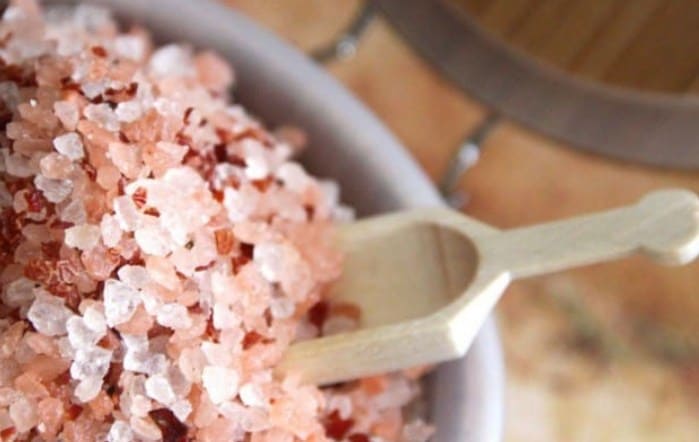
What is Pink Himalayan Salt?
Pink Himalayan salt is chemically similar to table salt. It contains up to 98 percent sodium chloride. The rest of the salt consists of trace elements such as potassium, magnesium, and calcium, which give the salt its light pink hue.
The presence of these minerals also explains why Himalayan salt tastes different from regular table salt.
How pink Himalayan salt is used
This type of salt is used in the same way as ordinary table salt – in cooking, for cooking, and for preserving food.
Pink salt blocks are used in cooking, as bath salts, and as pink salt lamps.
Why does the body need salt?
Sodium is an important trace element found in salt. The body needs salt for various functions. It helps:
- To shorten and relax the muscles.
- Maintain the correct fluid balance and prevent dehydration.
- It affects the work of the nervous and gastrointestinal systems.
- Prevents lowering of blood pressure.
Rich mineral composition of Himalayan salt
Some sources say that pink Himalayan salt contains up to 84 different trace elements.
Since it contains up to 98 percent sodium chloride, this means that only about 2 percent are these trace elements. Given the relatively limited amounts of salt consumed, as well as the small amount of these minerals in it, it is unlikely that they will provide any health benefits.
Only 15 minerals are known to play an important role in biological processes, and seven others are believed to possibly affect the body’s functioning, but this has not yet been confirmed. It turns out that only about a quarter of the minerals in Himalayan pink salt are nutrients that the human body can use. The other three-quarters are not recognized nutrients and are classified as pollutants. They have no known health benefits, and many are known to be harmful. The list includes many poisons such as mercury, arsenic, lead, and thallium. It includes radioactive elements: radium, uranium, polonium, plutonium, and many others.
Himalayan salt has less sodium
Most of the salt in the human diet comes from pre-processed and prepared foods.
Many people prefer Himalayan salt over table salt because they believe it contains less sodium. However, both salts contain almost the same amount of sodium chloride.
Because pink salt is often found in large crystals, it is believed to contain less sodium per teaspoon compared to regular table salt. Himalayan salt is also said to be saltier, so less is needed to achieve the same taste.
However, pink salt is also available in smaller granule sizes compared to standard table salt, so this needs to be taken into account when cooking and estimating sodium intake.
Help in moisturizing the body
Adding pink salt to food or drinks is believed to help the body achieve optimal fluid balance, thus preventing dehydration.
It is true that sodium is needed to maintain proper fluid balance, although this applies to sodium from other sources, not just pink Himalayan salt.
Consumption of iodine and Himalayan salt
Iodine is a mineral that the body needs for the proper functioning of the thyroid gland and cell metabolism. It is present in fish, seafood, dairy products, and eggs among other foods.
Iodized salt is another common source of this mineral. About 75 percent of housewives use iodized salt, which was introduced to reduce the incidence of goiter, which is a sign of iodine deficiency.
Although pink Himalayan salt may naturally contain iodine, it is likely to contain less iodine than iodized salt. Therefore, those who are iodine deficient or at risk of deficiency may need to seek other sources of iodine by using pink salt instead of iodized table salt.
Sodium intake
Although sodium is essential for life, too much sodium can have negative health effects, so it’s important to monitor your intake of any type of salt.
Those with kidney, heart, or liver problems, or those on a sodium-restricted diet, should watch their sodium intake and limit all salt, including pink Himalayan salt.
Even people who are generally in good health should monitor their sodium intake. A 2016 report from the Centers for Disease Control and Prevention (CDC) noted that more than 90% of children and 89% of adults consume more sodium than recommended.



Facebook Comments