 John Myers
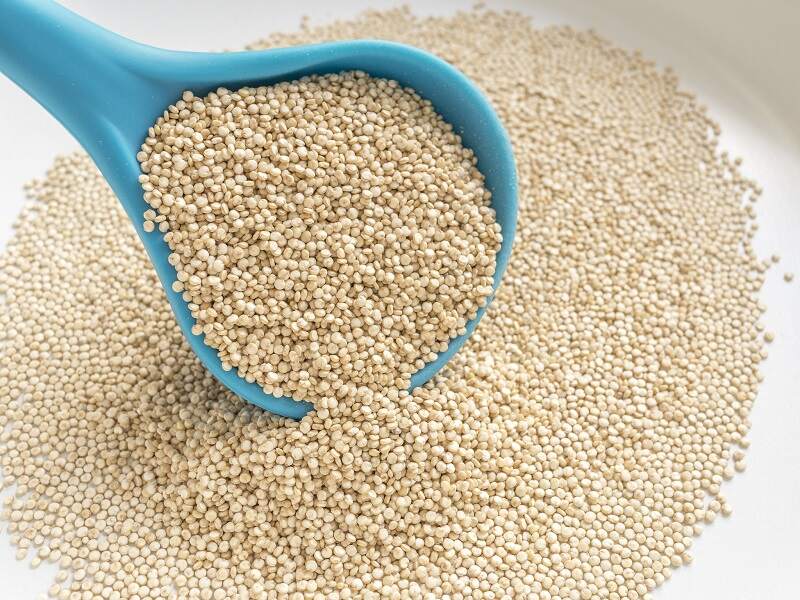
A direct comparison shows whether quinoa or rice is better. On the one hand, the nutritional values are included in the assessment, but also the health benefits and sustainability. You will also find out whether it is possible to lose weight with these superfoods.
Quinoa or rice: Which superfood wins in a direct comparison?
Both quinoa and rice are popular foods in today’s cuisine. Rice is a popular classic that is a staple in many traditional cuisines. It is also considered healthy and suitable for athletes. Quinoa, on the other hand, is newer to the European market and has only made its way into grocery markets in the last twenty years. It is often dubbed the new superfood. But which supplement is better?
Pros and cons of quinoa
Quinoa is easy to prepare and then served as a grain-based side dish. For half a cup of quinoa, add double the amount of water or broth with a little salt and oil and cook for about 15 to 20 minutes. You should reduce the heat halfway through.
- Nutritional values : Quinoa contains many filling carbohydrates, but also proteins, minerals and vitamins such as lysine, vitamin B2, iron, magnesium and manganese. 100 grams of cooked quinoa contains about 100 calories, 3.5 grams of protein, 2 grams of fat and 3 grams of fiber. The grain also contains anti-inflammatory antioxidants.
- Health benefits : Due to the many health-promoting nutritional values, quinoa is considered very healthy. It supplies the body with many vital and valuable substances. In addition, several studies have found positive effects on health: quinoa has an anti-inflammatory effect , can prevent migraines and supports the cardiovascular system.
- Sustainability : The problem with quinoa is the long transport routes, as it originally comes from South America. Working conditions in this region are also often poor. There is also European quinoa, but it is not yet widespread. Look out for fair trade and organic seals and, if possible, the country of origin.
- Lose weight : Quinoa, while not low in calories, provides the body with important nutrients. In addition, it is gluten-free, contains little fat, but proteins and fills you up well. It is therefore easy to integrate into a balanced nutrition plan. However, losing weight is related to an overall healthy diet and sufficient exercise, not to a specific food.
Pros and cons of rice
Rice is also quick and complicated to prepare. With the swelling method, for one cup of rice, add one and a half cups of water and salt and let it cook until the rice has absorbed all the water. However, the preparation may vary depending on the variety.
- Nutritional Facts : Brown rice is generally considered more nutritious than white rice as it is processed and has fewer nutrients. However, brown rice and quinoa do not have any significant differences in nutritional values, quinoa simply has more fiber.
- Health Benefits : Brown rice retains its bran and healthy burr, meaning nutrients and minerals are not lost. Therefore, brown rice is considered very healthy and fills you up quickly. In addition, brown rice lowers blood pressure (in contrast to white rice!), inhibits inflammation and is also good for the cardiovascular system.
- Sustainability : Rice grows in tropical climates and is mostly grown in Asia. Here, too, this means long transport routes until the rice varieties have arrived in your supermarket. In addition, a lot of water is required for cultivation and the working conditions are poor. Therefore, the same applies to rice: It is best to buy organic and fair trade.
- Weight Loss : Brown rice contains many vital substances that nourish the body and are good for health. Therefore, it can also be well integrated into a balanced diet that promotes weight loss.
Brown rice and quinoa differ only slightly in their composition. Both are considered healthy and can be used in many ways. You can include both in your diet with a clear conscience. White rice should be consumed in moderation instead, as it cannot compete with the nutritional values of the other two.



Facebook Comments