 John Myers

Introduction: The Need to Revamp Indian Cuisine Menu
Indian cuisine has a rich history that dates back centuries, with its distinct flavors and extensive use of spices. However, in recent years, there has been a growing need to revamp the traditional Indian cuisine menu to cater to the changing tastes and preferences of customers. With the rise of fusion cuisine and the increasing demand for healthy and flavorful options, it has become essential for Indian restaurants to update their menus and offer innovative dishes that appeal to a wider audience.
Understanding the Basics of Indian Cuisine
Indian cuisine is a diverse and complex blend of various regional and cultural influences. It heavily relies on the use of spices, herbs, and seasonings to add flavor and depth to dishes. The cuisine is characterized by its use of bold, aromatic spices such as cumin, coriander, turmeric, and cardamom, which contribute to the distinctive taste and aroma of Indian food. Additionally, Indian cuisine features a variety of cooking methods, such as tandoori grilling, slow-cooking, and stir-frying, which further enhance the flavor profile of the dishes.
Popular Indian Spices: Adding Flavor to Dishes
Indian cuisine is well-known for its use of a broad range of spices and herbs, each offering unique flavors and health benefits. Some of the most commonly used spices in Indian cooking include cumin, coriander, turmeric, cinnamon, cloves, and cardamom. These spices are used in different combinations and quantities, depending on the dish and the region. For instance, the use of garam masala, a blend of several spices, is common in North Indian cuisine, while mustard seeds and curry leaves are popular in South Indian cuisine.
Regional Indian Cuisines: Ideas for Menu Revamp
India is a vast country with diverse regional cuisines, each with its distinctive flavors and ingredients. Some of the most popular regional Indian cuisines include Punjabi, Gujarati, Bengali, and South Indian cuisine. To revamp the Indian cuisine menu, restaurants can offer regional dishes that are not commonly found on their menu. For instance, a Punjabi restaurant can include dishes such as chole bhature, sarson ka saag, and lassi to its menu to cater to customers looking for authentic Punjabi flavors.
Exploring Vegetarian and Non-vegetarian Indian Dishes
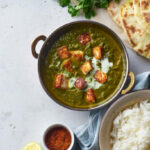
Indian cuisine offers a vast array of vegetarian and non-vegetarian dishes, each with its unique flavor and spice profile. Vegetarian dishes such as dal makhani, palak paneer, and chana masala are popular among vegans and vegetarians, while non-vegetarian dishes such as butter chicken, chicken tikka masala, and lamb rogan josh are favored by meat lovers. To revamp the Indian cuisine menu, restaurants can offer a range of plant-based and meat-based dishes, catering to the diverse dietary preferences of customers.
Fusion Cuisine: Balancing Indian and Global Flavors
Fusion cuisine is a popular trend in the food industry, combining different culinary traditions and techniques to create innovative dishes. To revamp the Indian cuisine menu, restaurants can incorporate global ingredients and cooking styles into traditional Indian dishes, creating a fusion of flavors. For instance, a restaurant can offer dishes such as chicken tikka tacos, paneer quesadillas, or Indo-Chinese noodles, which combine traditional Indian spices with global ingredients.
Offering Healthy Indian Cuisine Options
With the growing demand for healthier food options, restaurants can revamp their Indian cuisine menu by offering low-calorie, low-fat, and gluten-free dishes. For instance, dishes such as grilled tandoori chicken, lentil soup, and roasted vegetables can be included in the menu, catering to health-conscious customers.
Desserts: A Sweet Addition to the Indian Menu
Indian desserts are renowned for their rich and indulgent flavors, featuring ingredients such as cardamom, saffron, and ghee. Some of the most popular Indian desserts include gulab jamun, rasgulla, and kulfi. To revamp the Indian cuisine menu, restaurants can offer a range of traditional and modern desserts, catering to customers’ sweet tooth.
Beverages: A Refreshing Twist to Indian Cuisine
Indian beverages such as chai, lassi, and masala tea are popular worldwide for their unique flavors and health benefits. To revamp the Indian cuisine menu, restaurants can offer a range of refreshing and innovative beverages such as mango lassi, rose syrup soda, and spiced cold coffee, which complement the flavors of Indian dishes and cater to customers’ thirst.
Conclusion: Embracing the Diversity of Indian Cuisine
The sheer diversity of Indian cuisine provides a vast range of options to revamp the menu and cater to changing customer preferences. By incorporating different regional cuisines, fusion flavors, and healthy options, restaurants can offer a unique and exciting dining experience to customers. Embracing the rich and varied flavors of Indian cuisine, while adapting to modern-day culinary trends, can help restaurants stay relevant and appeal to a broader customer base.


Facebook Comments