 John Myers
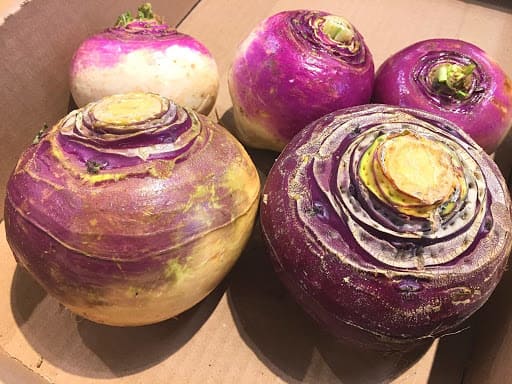
The swede is also called swede, lard turnip, Wruke or ground kohlrabi. It is considered a cross between autumn turnip and kohlrabi. The swede can weigh up to 1.5 kilograms and mostly grows above ground.
Origin
The swede came to Germany via Scandinavia in the 17th century. That is why it is often referred to as Swedish turnip. However, the true origin is unclear. Since the swede is very undemanding, it is now grown worldwide in all temperate climate zones.
Season
The main harvest time for swedes is in October and November. In Germany, turnips from domestic cultivation are available until December, after that only as stock from Northern Europe.
Taste
The taste of the swede is reminiscent of kohlrabi and is sweetish-tart.
Use
There are white-fleshed and yellow-fleshed beets. The white-fleshed swede is often used for animal feed. The yellow-fleshed swede is a very healthy, nutrient-rich, and low-calorie vegetable. The swede cannot be eaten raw. It tastes good boiled or pureed and is often used for stews and soups or in casseroles. To emphasize the earthy aroma, turnips are often sautéed in lard or oil. Smoked pork, goose, or duck go well with swede recipes.
Storage
The swede can be stored in the cellar in a dry, dark, and cool place for up to six months. But you should remove the leaves first. Swedes stay fresh in the refrigerator for up to three weeks. Blanched, the swede can be frozen for up to six months.

Facebook Comments