 John Myers
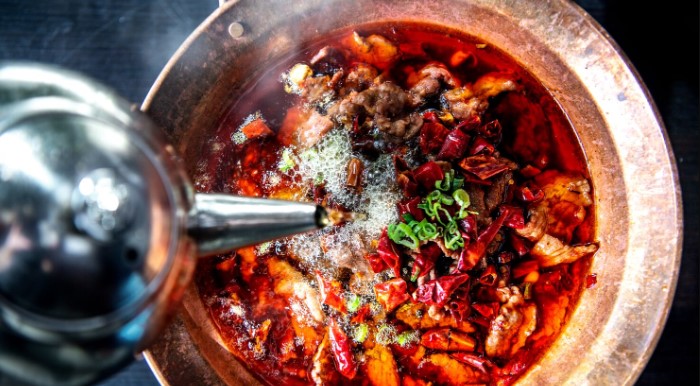
Szechuan Cuisine: A Spicy Introduction
Szechuan cuisine is a well-known Chinese culinary style that is distinguished by its bold and spicy flavors. It originated in the Sichuan province of China, which is known for its mountainous terrain and humid climate. Szechuan food is famous for its liberal use of chili peppers and Sichuan peppercorns, which give it a unique numbing and tingling sensation on the tongue. The cuisine is also known for its wide variety of spices, herbs, and seasonings that are used to create complex and flavorful dishes.
Szechuan cuisine has gained popularity all over the world due to its distinctive flavor and versatility. The cuisine is not just about spiciness, but also the art of balancing flavors and textures. Szechuan cooking techniques often involve stir-frying, steaming, braising, and simmering. The cuisine incorporates a wide range of ingredients, including meats, seafood, tofu, vegetables, and rice noodles. The result is a diverse and robust cuisine that has something for everyone.
The Flavor Profile of Szechuan Cuisine
Szechuan cuisine is all about bold and complex flavors. The cuisine is characterized by its use of spices, herbs, and seasonings, which give it a unique and distinctive taste. Some of the most common spices and seasonings used in Szechuan cuisine include Sichuan peppercorns, chili peppers, garlic, ginger, star anise, cinnamon, and fennel. These ingredients are used in different combinations to create a wide range of flavors, from sweet and savory to hot and spicy.
One of the most distinctive features of Szechuan cuisine is the use of Sichuan peppercorns. These peppercorns have a numbing and tingling sensation on the tongue, which is known as “ma” in Chinese. The heat of Szechuan cuisine comes from chili peppers, which are used in different forms, including dried, fresh, and pickled. The combination of “ma” and “la” (spicy) flavors creates a unique taste that is both addictive and delicious. Other flavors commonly found in Szechuan cuisine include sour, sweet, and salty, which are used to balance the heat of chili peppers and Sichuan peppercorns.
The Science of Spicy Food
Spicy food has been a part of human cuisine for thousands of years. Spices were initially used to mask the taste of spoiled food, but they quickly became a popular flavoring agent. The heat of spicy food comes from compounds called capsaicinoids, which are found in chili peppers. These compounds stimulate nerve endings in the mouth and create a burning sensation.
The body’s reaction to spicy food is a complex process that involves the release of endorphins and adrenaline. Endorphins are natural painkillers that are released in response to the pain caused by capsaicinoids. Adrenaline is a hormone that is released in response to stress, which can also be triggered by spicy food. The combination of endorphins and adrenaline creates a feeling of excitement and euphoria. Spicy food can also increase metabolism and aid in digestion.
The Health Benefits of Eating Spicy Food
Spicy food has been shown to have several health benefits. Capsaicinoids, the compounds that make food spicy, have been linked to weight loss and improved metabolism. They are thought to increase energy expenditure and stimulate fat oxidation. Spicy food can also help to reduce inflammation and lower the risk of chronic diseases, such as heart disease and cancer.
Spicy food can also be good for digestion. It can stimulate the production of digestive enzymes, which can help to break down food more efficiently. Spicy food can also reduce the risk of ulcers and improve gut health. The anti-inflammatory properties of capsaicinoids may also help to reduce pain and discomfort associated with inflammatory bowel disease.
The Essential Ingredients of Szechuan Cuisine
Szechuan cuisine incorporates a wide range of ingredients to create its unique flavor profile. Some of the essential ingredients include chili peppers, Sichuan peppercorns, garlic, ginger, scallions, soy sauce, Chinese rice wine, and black vinegar. These ingredients are used in different combinations to create a wide range of flavors.
Chili peppers are a staple ingredient in Szechuan cuisine. The peppers are used in different forms, including dried, fresh, and pickled. Sichuan peppercorns are another essential ingredient, which are used to create the numbing and tingling sensation that is characteristic of Szechuan cuisine. Other key ingredients include garlic and ginger, which are used to add flavor and aroma to dishes. Scallions, soy sauce, Chinese rice wine, and black vinegar are used to balance flavors and add depth to dishes.
The Famous Dishes of Szechuan Cuisine
Szechuan cuisine is known for its diverse and flavorful dishes. Some of the most famous dishes include Kung Pao chicken, Mapo tofu, Dan Dan noodles, and Szechuan hot pot. Kung Pao chicken is a popular stir-fry dish that features chicken, peanuts, and vegetables in a spicy sauce. Mapo tofu is a spicy Szechuan tofu dish that is typically served with rice. Dan Dan noodles are a type of spicy noodle dish that is typically made with ground pork, Sichuan peppercorns, chili oil, and scallions. Szechuan hot pot is a spicy soup that is served with a variety of meats and vegetables.
The Best Szechuan Restaurants in the World
There are many great Szechuan restaurants around the world. Some of the best restaurants are located in China, such as the famous Sichuan restaurant Chunyuan in Chengdu. In the United States, some of the best Szechuan restaurants include Szechuan Gourmet and Han Dynasty, both located in New York City. In London, Barshu and Ba Shan are two popular Szechuan restaurants. Other great Szechuan restaurants can be found in Hong Kong, Singapore, and Taiwan.
The Art of Pairing Drinks with Spicy Food
Pairing drinks with spicy food can be challenging, but there are some great options that can complement the flavors of Szechuan cuisine. Beer is a popular choice, as it can help to cool down the heat of spicy food. Light beers such as lagers and pilsners are good choices. Wine can also be a good option, particularly white wine or rose, which can balance the heat of spicy food. Sparkling water or soda can also help to cool down the heat of spicy food.
The Evolution of Szechuan Cuisine in China
Szechuan cuisine has a long and rich history in China. Over the years, the cuisine has evolved and adapted to different trends and influences. In recent years, there has been a renewed interest in traditional Szechuan cuisine, with many restaurants focusing on classic dishes and techniques. There has also been a growing interest in fusion cuisine, with chefs incorporating elements of Szechuan cuisine into other culinary styles.
The Future of Szechuan Cuisine in the West
Szechuan cuisine has gained popularity in the West in recent years, with many restaurants serving up spicy and flavorful dishes. As more people become interested in Szechuan cuisine, there is likely to be an increase in demand for authentic ingredients and techniques. The cuisine is also likely to continue to evolve and adapt to different culinary trends and influences. Overall, the future of Szechuan cuisine in the West looks bright, with a growing appreciation for its bold and complex flavors.


Facebook Comments