 John Myers

Introduction: The Rich History of Mother India Roti
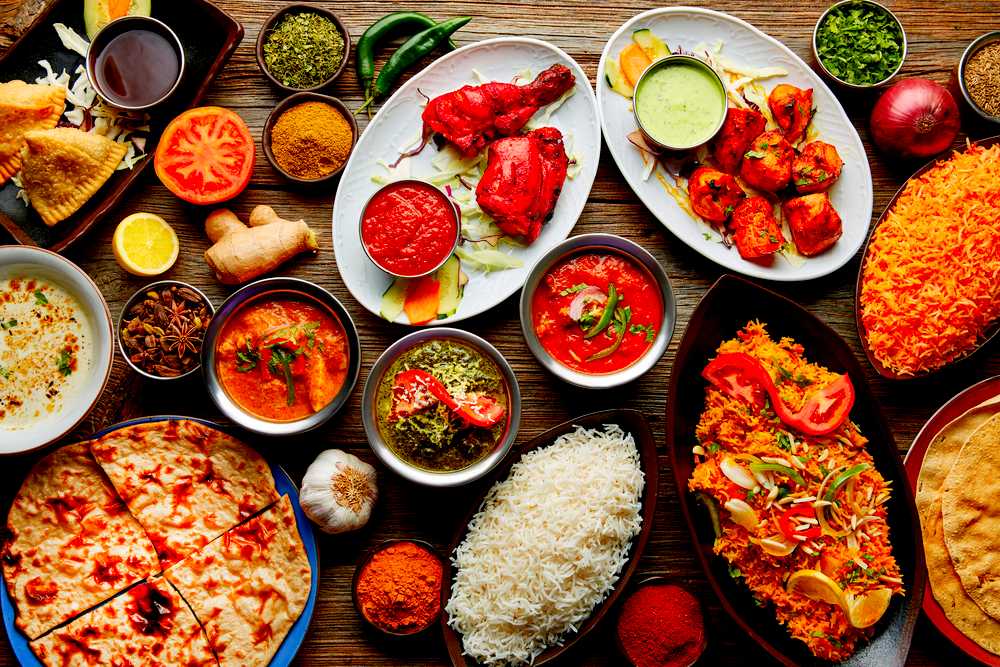
Mother India Roti is a staple in Indian cuisine that has been enjoyed for generations. Roti, also known as chapati, is a type of flatbread made from wheat flour that is a common accompaniment to meals in India. Mother India Roti, in particular, is a special type of roti that has a rich history and cultural significance in Indian cuisine.
Mother India Roti: A Culinary Tradition Passed Down for Generations
The tradition of making Mother India Roti has been passed down from generation to generation in Indian households. The process involves making a dough from wheat flour, water, and sometimes other ingredients such as salt or oil. The dough is then divided into small balls, which are rolled into flat circles using a rolling pin. The roti is then cooked on a flat griddle or tawa until it puffs up and develops a light brown color.
The Ingredients of Mother India Roti: A Celebration of Indian Flavors
The ingredients used to make Mother India Roti are simple, but they are an essential part of Indian cuisine. Wheat flour is the primary ingredient, which is mixed with water to form a dough. The addition of salt or oil can help enhance the flavor of the roti. Some variations of Mother India Roti may include other ingredients such as spices or herbs, which add additional flavor and health benefits.
The Art of Making Mother India Roti: Techniques and Tools
Making Mother India Roti requires skill and practice, as the dough must be evenly rolled and the roti cooked to perfection. A rolling pin and a flat griddle or tawa are the traditional tools used to make roti. The dough must be rolled out into a thin, even circle, and then cooked on the griddle until it puffs up and becomes light and airy.
The Significance of Mother India Roti in Indian Cuisine and Culture
Mother India Roti is a significant part of Indian cuisine and culture. It is a staple food that is served at almost every meal, and it is often used to scoop up curries or other dishes. Roti is also a symbol of hospitality and is often served to guests as a sign of respect and welcome.
Mother India Roti Across the World: Global Influence and Adaptations
Mother India Roti has gained popularity around the world, and it has been adapted to suit different tastes and preferences. In some countries, it is served with butter or cheese, while in others, it is used as a wrap or filled with different ingredients. The global influence of Mother India Roti has helped to showcase the diversity and richness of Indian cuisine.
The Health Benefits of Eating Mother India Roti Regularly
Mother India Roti is a healthy food option that is low in fat and high in fiber. Wheat flour is a good source of carbohydrates, and it contains essential nutrients such as protein, iron, and fiber. Roti is also easy to digest, making it a good option for people with sensitive stomachs.
Mother India Roti in Modern Times: Innovation and Evolution
In modern times, Mother India Roti has undergone innovation and evolution to suit the changing tastes and preferences of people. Some variations of roti include adding different herbs or spices, while others use alternative flours such as chickpea or lentil flour. Some modern roti makers have even created flavored rotis such as garlic or cheese.
The Future of Mother India Roti: Preserving the Legacy for Generations to Come
The legacy of Mother India Roti is an essential part of Indian cuisine and culture, and it is crucial to preserve it for future generations. By passing down the tradition of making roti and maintaining its significance in Indian cuisine, we can ensure that this culinary tradition continues to thrive.
Conclusion: Mother India Roti’s Enduring Legacy
Mother India Roti is a culinary tradition that has been passed down for generations in Indian households. Its significance in Indian cuisine and culture has made it a staple food that is enjoyed worldwide. By preserving the legacy of Mother India Roti and passing down the tradition to future generations, we can ensure that this delicious and healthy food remains a part of our cultural heritage.


Facebook Comments