 John Myers
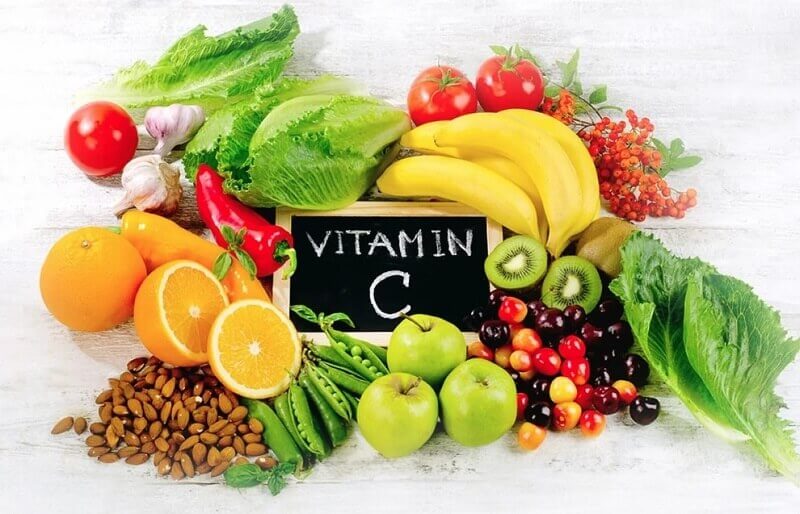
Vitamins and minerals are important, and not just for growing children. Here you can see which foods contain which vitamins and minerals and how you can eat a balanced diet.
The essentials in brief:
- Fat-soluble vitamins are only absorbed by the body if fats are eaten at the same time. A small amount of oil is sufficient for this. The body can store fat-soluble vitamins.
- The body cannot store water-soluble vitamins, with the exception of vitamin B12. Excess amounts are excreted in the urine.
- With a varied diet, the body is usually well supplied with vitamins and minerals. Exceptions may be: vitamin D, folate, iron and iodine. A supplement with nutrient preparations only makes sense after prior consultation with the doctor.
Fat-soluble vitamins
Vitamin A (Retinol)
Vitamin A, also called retinol, is important for the function and protection of the skin, eyes and mucous membranes. It is found only in animal foods, such as fish, milk, egg yolks and liver. There are certain precursors of vitamin A that are also found in plant foods. This includes the important provitamin A – better known as beta carotene – which is mainly found in yellow and orange fruits and vegetables. The body can convert beta-carotene into vitamin A itself. In order for the body to be able to absorb provitamin A from food, it is important to eat a fatty food at the same time, such as a carrot and a slice of bread with cream cheese. Animal foods containing vitamin A, on the other hand, naturally contain enough fat.
Vitamin D
Vitamin D regulates the calcium and phosphate balance and is therefore particularly important for healthy bones and teeth. It has a special position among vitamins because the body can be supplied with vitamin D from two sources. On the one hand, it is supplied to the body through food, on the other hand, the body can produce it itself through exposure to sunlight. That’s why vitamin D is also called the “sunshine vitamin”. Few foods, such as fatty fish (salmon, herring, or mackerel) and egg yolks, contain significant amounts of vitamin D. The amount that we take in through our food is therefore too small to supply our body with it sufficiently. The body’s own production of vitamin D through sunlight makes the greater contribution. Depending on the skin type, 5 to 25 minutes a day outdoors – between 10 a.m. and 3 p.m. – make a significant contribution to vitamin D supply.
Vitamin E
As one of the most important protective vitamins, vitamin E is present in every cell in the body. It strengthens the immune system and has an anti-inflammatory effect. It prevents the breakdown of vitamins A and D through oxidation, so it is also known as an antioxidant. Vitamin E is found in vegetable oils, whole grain products and nuts.
Vitamin K
Vitamin K is particularly important for blood clotting and ensures that bleeding stops. A lack of vitamin K can cause profuse bleeding, even from minor injuries. In the first few days of life, newborns receive a dose of vitamin K as a precaution in order to be optimally supplied with the breast milk. Vitamin K is mainly found in plant foods such as spinach, chard, cauliflower and legumes such as green beans and chickpeas.
Water-soluble vitamins
Vitamin B1 (Thiamine)
Vitamin B 1 plays an important role in the nervous system and is involved in energy metabolism and heart health. Whole grain products, legumes and pork are particularly rich in vitamin B1.
Vitamin B2 (Riboflavin)
Vitamin B2 is important for skin, eye and nail health. Valuable sources of vitamin B2 are offal, milk and milk products as well as cereal germs.
Vitamin B6
Vitamin B6 influences the metabolism, hormones and nerves and plays an important role in protein digestion and detoxification. It is found in plant and animal foods. Fish, meat and liver are particularly good animal sources. When it comes to plant foods, nuts, whole grains, potatoes, legumes and vegetables such as tomatoes, red peppers and carrots are good sources of vitamin B6.
Vitamin B12
Vitamin B12 can be stored in the body over a longer period of time – in the liver. It is involved in the formation of red blood cells and cell nuclei and is important for nerve function. It is found in all animal foods such as meat, fish, egg yolk, liver and dairy products. B12 is generally not found in plant foods. Fermented foods such as sauerkraut, lactic acid vegetables or fermented soy products may contain very small amounts of vitamin B12. However, these are not sufficient to ensure the supply.
Biotin
Biotin promotes the formation of new hair roots and the nail bed and is involved in many metabolic processes and cell growth. High levels of biotin are found in offal and eggs. Vegetable foods such as oatmeal, wheat germ and mushrooms are also good sources of biotin.
Folate
Folate is involved in a number of metabolic processes and is therefore very important for all growth and development processes. It is found primarily in green vegetables, particularly leafy greens and tomatoes, legumes, nuts, oranges, whole grains, as well as potatoes, liver and eggs. The synthetic, i.e. industrially produced form of the vitamin is called folic acid. It is used to fortify foods and in vitamin preparations.
Vitamin C
Vitamin C supports the immune system and promotes wound healing. The best suppliers are fruits and vegetables. Sweet peppers, black currants and parsley in particular have a high content. But citrus fruits, potatoes, cabbage, spinach and tomatoes also contain a lot of vitamin C.
Niacin
Niacin is involved in the energy metabolism and in the formation and breakdown of fat, protein and carbohydrates. Niacin is particularly found in fish, meat and offal. However, plant foods such as peanuts, mushrooms and mung beans also have a high niacin content.
Pantothenic Acid (Vitamin B5)
Pantothenic acid is important for energy metabolism. It is involved in the breakdown of fat, protein and carbohydrates. Pantothenic acid is found in almost all foods. Good sources include liver, meat, whole grains, and legumes.
Minerals
Calcium
Calcium helps build bones and teeth and regulates heartbeat and other muscle contractions. Calcium is particularly important for children because their skeleton is still developing. All dairy products, nuts, mineral water rich in calcium and dark green vegetables such as broccoli are good sources of calcium.
Chloride
Chloride regulates the water and acid-base balance and, together with sodium, affects blood pressure. We absorb chloride primarily through table or sea salt (sodium chloride). The main sources of chloride are therefore processed foods to which salt is added during processing or manufacture.
Potassium
Potassium plays a major role in regulating water balance and blood pressure. It is also important for the functioning of the heart. Good sources of potassium are bananas, dried fruit, carrots, kohlrabi, legumes and cereals such as spelt, rye and buckwheat.
Magnesium
Magnesium is important for muscle contraction, for communication between nerve and muscle cells and for heart activity. The mineral is also involved in the formation of bones and teeth. Magnesium is mainly found in plant foods, such as nuts, bananas, oatmeal and other grains such as wheat, spelled, barley, rye or buckwheat.
Sodium
Sodium is involved in the regulation of water and acid-base balance and blood pressure. It occurs naturally or through the addition of salt (sodium chloride) in almost all foods. Processed foods such as bread, cheese and sausage products to which salt is added during processing or production have a high sodium content.
Phosphorus
Phosphorus contributes to energy production and the maintenance of bones and teeth. It is absorbed through food in the form of phosphate and is contained in practically all foods. It is mainly found in protein-rich foods such as milk and milk products, meat, fish and legumes.
Trace elements
Iron
Iron is a component of the red blood pigment and is instrumental in supplying the body with oxygen. It is mainly found in meat, but some types of fruit and vegetables as well as legumes and cereals are also good suppliers of iron. It is easier for the body to absorb iron from animal products than from plant products. If you are following a vegetarian diet, make sure you are getting enough iron. You should eat foods rich in vitamin C at the same time as iron-rich foods, since vitamin C increases iron absorption. For example, eat an orange or kiwi for dessert.
Fluoride
Fluoride is responsible for the health of bones and teeth as well as wound healing. You absorb it through toothpaste containing fluoride, as well as through mineral water and tea. Another source can be fluoridated table salt.
Iodine
Iodine contributes to an optimal function of the thyroid gland and thus to a balanced hormone balance. In order to improve the iodine supply in Germany, feedstuffs have been fortified with iodine, for example. Milk, eggs and meat contain more iodine today than they used to. However, according to the Federal Institute for Risk Assessment, iodine intake has been declining again since 2020 . Overall, the consumption of sea fish, milk and milk products and the use of iodised table salt contribute to an optimal iodine supply.
Selenium
Selenium is involved in various metabolic processes. It binds free radicals, is a component of proteins and is required for the production of thyroid hormones. Selenium is found in higher amounts in animal foods, such as meat, sausages, eggs and fish. Good vegetable sources include Brazil nuts, asparagus, mushrooms, legumes, cabbage and onions.
Zinc
Zinc strengthens the immune system and is important for cell growth and wound healing. Good animal sources of zinc are beef and pork, cheese, milk and eggs. Vegetable sources of zinc are nuts and grains such as wheat or rye seedlings.


Facebook Comments