 John Myers
Introduction: Understanding Norwegian Cuisine
Norwegian cuisine is a reflection of the country’s natural resources, culture, and history. The cuisine is diverse, with seafood, meat, dairy products, and vegetables featuring prominently in traditional dishes. The cuisine has evolved over time, influenced by the country’s geography, climate, and cultural exchange with neighboring countries.
Geography: How Norway’s Landscape Shapes its Food
Norway’s landscape is characterized by mountains, fjords, and coastline. The country’s seafood-rich waters are home to fish such as salmon, herring, and cod, which feature prominently in Norwegian cuisine. The country’s mountainous terrain is also rich in game, such as reindeer, elk, and wild birds, which have been a staple of Norwegian cuisine for centuries. The country’s fertile valleys also produce a range of vegetables and fruits, including potatoes, carrots, and berries, which are used in traditional dishes.
History: Traditions and Influences in Norwegian Cooking
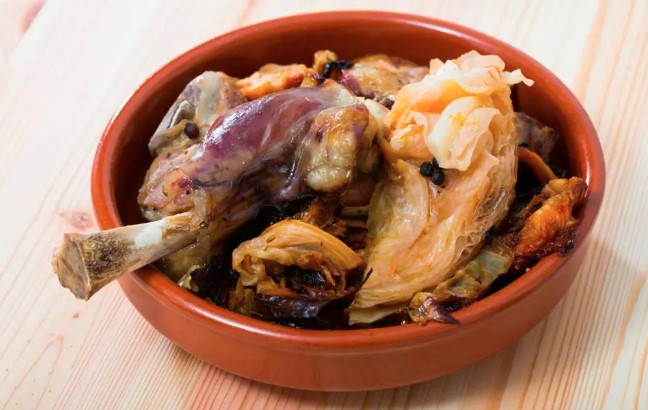
Norwegian cuisine has been influenced by various cultures, including the Vikings, who introduced smoking and drying techniques to preserve fish and meat. The country’s Christian traditions have also influenced the cuisine, with dishes such as lutefisk and pinnekjøtt being associated with Christmas. The country’s proximity to Sweden, Denmark, and Finland has also influenced Norwegian cuisine, with dishes such as meatballs, smørrebrød, and pickled herring being popular in Norway.
Climate: The Impact of Cold Winters and Short Summers
Norway’s climate has had a significant impact on Norwegian cuisine. The country’s long, cold winters and short summers have meant that preserving food was essential. Traditional methods of preserving food, such as smoking and drying, were used to store fish and meat for the winter. The short summer season also meant that vegetables and fruits had to be harvested quickly and preserved for the winter.
Ingredients: What Makes Norwegian Cuisine Unique?
Norwegian cuisine is known for its use of fresh, natural ingredients. Seafood, meat, and dairy products are all essential ingredients in Norwegian cuisine. The country’s seafood is particularly renowned, with salmon, herring, and cod featuring prominently in traditional dishes such as fish cakes, fish soup, and gravlax. Traditional meat dishes, such as reindeer stew and lamb chops, are also popular in Norway.
Culture: Modern Trends and Future Directions for Norwegian Cuisine
Norwegian cuisine is constantly evolving, with modern trends and international influences shaping the cuisine. The country’s chefs are increasingly using local ingredients in innovative ways and experimenting with new flavors and techniques. The country’s focus on sustainability and organic farming is also reflected in the cuisine. Norwegian cuisine is likely to continue to evolve, with an increasing focus on fusion cuisine and the use of new ingredients such as seaweed and insects.


Facebook Comments