 John Myers
Introduction: Pakistani Cuisine
Pakistani cuisine is a rich blend of diverse cultures and traditions that have influenced it over the centuries. It is known for its bold flavors and aromatic spices that make it stand out among other South Asian cuisines. Pakistani cuisine is predominantly influenced by the Mughal style of cooking, which is a fusion of Indian, Persian and Central Asian cuisines. It is also heavily influenced by the region’s geography and climate, which has led to a variety of ingredients and dishes that are unique to Pakistan.
Rice: The King of Pakistani Cuisine
Rice is an integral part of Pakistani cuisine and is often considered the king of all Pakistani dishes. Pakistanis consume rice in countless ways, such as biryani, pulao, or plain boiled rice. The aromatic and flavorful biryanis and pulaos are the most popular rice dishes in Pakistan. Biryani is made by cooking rice and meat (chicken or beef) with a blend of spices, such as cinnamon, cumin, cardamom, and bay leaves, to name a few. Pulao is a simpler version of biryani, where rice is cooked with meat or vegetables, and fewer spices are used. Plain boiled rice is often served with meat or vegetable curries.
Bread: The Foundation of Pakistani Meals
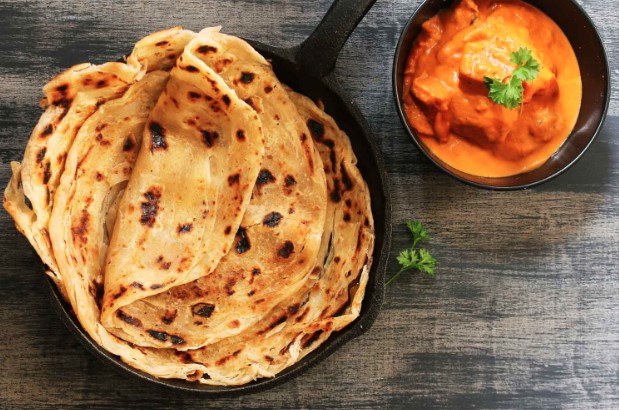
Bread is an essential component of Pakistani cuisine, and no meal is complete without it. There are numerous types of bread that are popular in Pakistan, such as naan, chapati, paratha, and roti. Naan is a type of leavened bread that is often served with meat dishes. Chapati and roti are both types of unleavened bread that are commonly served with lentils or vegetables. Paratha is a flatbread made by layering dough, which is then pan-fried with ghee or oil. Paratha is often stuffed with potato, onion, or cheese and is served with yogurt or curry.
Lentils: The Protein Powerhouse
Lentils are an essential part of Pakistani cuisine and are a source of protein for many people. Lentils are cooked in a variety of ways, such as daal (lentil soup), daal chawal (lentil soup served with rice), and daal makhani (lentil dish cooked in a creamy sauce). Daal is often served with bread or rice and is eaten as a main dish or as a side dish. Lentils are inexpensive and readily available, making them a staple food in Pakistan.
Meat Dishes: The Heart of Pakistani Cuisine
Meat is an integral part of Pakistani cuisine and is often the centerpiece of a meal. Pakistanis consume a variety of meats, such as chicken, beef, lamb, and goat. Meat is often marinated in a blend of spices and grilled or cooked in a curry. Some of the popular meat dishes in Pakistan are chicken tikka, seekh kebab, nihari, and biryani. These dishes are known for their bold flavors and aromatic spices that make them stand out among meat dishes from other countries.
Vegetables and Spices: The Soul of Pakistani Cooking
Vegetables and spices are the soul of Pakistani cooking, and they play a crucial role in enhancing the flavor and aroma of dishes. Vegetables such as potatoes, tomatoes, onions, and eggplants are commonly used in Pakistani cuisine. Spices such as cumin, coriander, turmeric, and red chili powder are used to flavor meat, vegetables, and lentils. The combination of these ingredients creates a unique and distinct flavor profile that is characteristic of Pakistani cuisine.
In conclusion, Pakistani cuisine is a fusion of diverse cultures and traditions that have influenced it over the centuries. Rice, bread, lentils, meat dishes, vegetables, and spices are the staple foods in Pakistani cuisine. These ingredients are used in a variety of ways to create bold flavors and aromatic dishes that make Pakistani cuisine stand out among other South Asian cuisines.


Facebook Comments