 John Myers

Introduction: Yemeni Cuisine
Yemeni cuisine is a diverse and flavorful cuisine that has been influenced by centuries of trade and cultural exchange. Located at the southern tip of the Arabian Peninsula, Yemen has a rich culinary heritage that reflects its geography, climate, and history. Yemeni cuisine is characterized by its use of spices, herbs, and aromatics, as well as its emphasis on fresh ingredients and slow cooking techniques.
The Role of Staple Foods in Yemeni Cuisine
Staple foods play a crucial role in Yemeni cuisine, as they form the foundation of most meals. The most important staple foods in Yemeni cuisine are rice, bread, vegetables and legumes, and meat and dairy products. These foods are often combined in creative ways to create a wide range of dishes, from simple stews to elaborate feasts. Yemeni cuisine is known for its hearty and satisfying meals, which are perfect for cold winter nights or large gatherings of friends and family.
Rice: The Main Staple Food
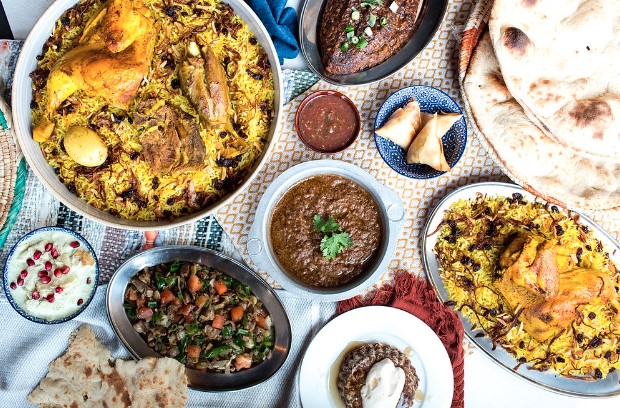
Rice is the main staple food in Yemeni cuisine, and it is served with almost every meal. Yemeni rice is typically long-grain and aromatic, and it is usually cooked with spices, herbs, and vegetables to create a flavorful and nutritious dish. Some popular rice dishes in Yemeni cuisine include mandi, which is a slow-cooked lamb or chicken dish served with rice, and kabsa, which is a spiced rice dish with meat or vegetables.
Bread: The Heart of Yemeni Cuisine
Bread is another essential staple food in Yemeni cuisine, and it is often served with every meal. Yemeni bread is typically flat and round, and it is made from wheat flour, water, and yeast. The most popular type of Yemeni bread is called khobz, which is baked in a tandoor oven and served hot with stews, soups, and grilled meats.
Vegetables and Legumes: Essential to Yemeni Cooking
Vegetables and legumes are also essential to Yemeni cooking, and they are used in a wide range of dishes. Some popular Yemeni vegetable dishes include salta, which is a spicy vegetable stew, and fasoolia, which is a green bean stew. Legumes such as lentils and chickpeas are also commonly used in Yemeni cuisine, and they are often served as a side dish or mixed with rice to create a hearty and nutritious meal.
Meat and Dairy: The Luxuries of Yemeni Cuisine
Meat and dairy products are considered luxuries in Yemeni cuisine, and they are often reserved for special occasions and feasts. Lamb and chicken are the most popular meats in Yemeni cuisine, and they are often slow-cooked with spices and herbs to create tender and flavorful dishes. Dairy products such as yogurt and cheese are also used in Yemeni cuisine, and they are often served as a side dish or used to make sauces and dips.

Facebook Comments