 John Myers
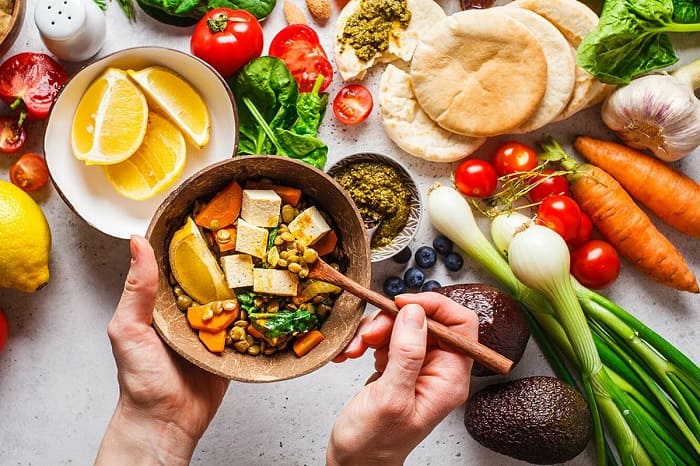
Exactly what a flexitarian is is a mystery to many. The diet has been officially recognized since 2012 and has been practiced by more and more people since then. The special thing about it is that no food has to be completely dispensed with.
What is a flexitarian?
Unlike vegetarianism and veganism, the flexitarian diet is not as widespread, but it is still gaining a growing following. Flexitarianism has also been officially recognized since 2012 and is particularly impressive due to the flexible design options:
- Flexitarianism is not primarily about doing without, but rather about eating consciously.
- Anything that tastes good is allowed. Meat may also be eaten, but frequency and quality play an important role here.
- This is where the name “flexitarian” comes from: the diet is flexible because meat is not strictly forbidden. It is only consumed occasionally, but it is of very good quality.
- Flexitarians rarely eat meat, and if they do, pay close attention to where it’s sourced and how it’s made. The meat must be of high quality and is best bought in health food stores or markets.
- Many flexitarians limit their meat consumption to once or twice a week, while others only eat meat in restaurants or when invited out. Some hardly do without meat, but pay close attention to species-appropriate organic husbandry.
- Flexitarians often also pay attention to the origin of the fish and generally attach great importance to species-appropriate animal husbandry and environmental protection.
- You can tell whether a piece of meat is really organic by the organic seal label. Websites such as Label-Online also reveal which products from the farming associations and organic brands have a seal.
Getting started with flexitarianism
Once you’ve decided to adopt a flexitarian diet, these tips can help you get started:
- From the start, understand your reasons for switching to a flexitarian diet. With enough motivation and a clear goal in mind, getting started is a lot easier.
- Do not leave meat out of your usual eating plan overnight, but rather try to do without meat for one day a week.
- Gradually, you can identify more and more days when you don’t eat meat. If the step is too much for you, you can just make sure to buy high-quality organic meat.
- Focus on the many new delicious recipes you can try instead of lamenting the changes or losses that flexitarian eating brings.
- Meat substitutes made from soy or tofu are also easy to incorporate into meat dishes, so you don’t necessarily have to keep trying new recipes. A schnitzel made from soy tastes almost as good.
- Since we humans are creatures of habit, it is easier for us to live in routines. Decide on a vegetarian or vegan dish, which you prepare every Friday, for example. Easily replace your old habits with new ones.
Flexitarian FAQs
What can you eat as a flexitarian?
Flexitarians are flexible about eating meat and fish. They try to consume a little less animal products or consciously pay attention to high quality. But they don’t take it as precisely as vegetarians, who never eat steak, sausage and the like. Semi-vegetarians are also called flexitarians.
Is flexitarianism healthy?
Flexitarianism has many advantages. Anyone who consumes meat less often, but then ‘digs deeper into their pockets’, does not make any expenses, but rather invests in their health ! Organic meat (and organic milk) contain 50 percent more omega-3 fatty acids than products from conventional animal husbandry.
How often does a flexitarian eat meat?
The German Vegetarian Union (VEBU) defines flexitarians as people who do not eat meat on at least three days a week. There is no precise or strict guideline for restricting meat consumption.
What do flexitarians eat and what not?
Flexitarians are flexible vegetarians who consciously limit their meat consumption and eat as little or as little as possible or only eat certain qualities of meat. They stand for a moderate, sustainable and quality-oriented consumption of meat.


Facebook Comments