 John Myers
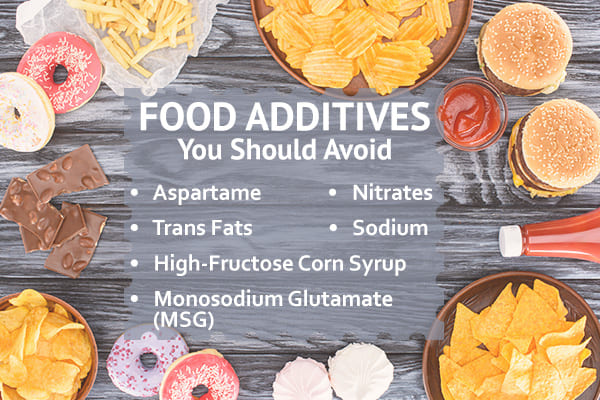
Food additives are substances that are mainly used for technological purposes. This means that the additives in the processed food should optimize the product properties. Products can be further processed more easily due to improved baking, flow or spreadability. Or they change the chemical behavior of the product, for example oxidation, or ensure a more stable consistency and longer shelf life. Other substances are added to improve appearance or other sensory properties.
Additives are divided into different groups or classes depending on their function. Preservatives inhibit the growth of mould, yeast and bacteria and thus ensure that the product does not spoil as quickly. Benzoic acid in fish products or sulfur dioxide in dried fruit also serve to improve the shelf life. Antioxidants such as ascorbic acid in canned fruit do not cause the fruit to turn brown and therefore look unappetizing when exposed to oxygen.
In the industrial processing of food, the effect of natural flavorings can decrease or be lost, so flavor enhancers should provide a balance. Glutamate and yeast extract in ready meals, condiments and instant broth are examples. Sweeteners such as aspartame, saccharin or sucralose or sugar substitutes such as sorbitol, xylitol or maltitol are added so that sugar-free chewing gum and candies as well as low-calorie lemonades still taste sugary.
Colorings not only help food to look nicer, they also create a recognition value: If gummy bears, sweets, puddings, or jams taste like cherries or berries, the red color should also visually underline the taste. Different colored or colorless products with the same taste would confuse many consumers.
Other frequently used additives are thickening and raising agents. Thickeners such as modified starch, carrageenan, and pectin ensure that sauces, puddings, and creams have a pleasant consistency. In light products, they can serve as a substitute for fats. Chemical leavening agents such as baking powder loosen the dough of bread, cakes, and biscuits and allow them to rise better.
Additives can be recognized in the list of ingredients of products either by the fact that they are given with the group designation, their function, and the name of the substance or with their approval number. The approval number begins with an “E” for “Europe”, followed by a code between 100 and 1521, which is based on the functional class. E numbers between 100 and 199 indicate coloring agents, for example, preservatives can be found under the numbers E 200 and 299.
Although additives are carefully checked before they are approved, some people are sensitive to them. In this case, the corresponding products should only be enjoyed in moderation or avoided. This also applies if you suffer from diseases such as gout – read more about the connection between additives and gout in the article on purines.



Facebook Comments