 John Myers

Introduction: Understanding Sadza
Sadza is a type of porridge that is considered to be the staple food of Zimbabwe. It is made from finely ground maize, which is cooked in boiling water until it forms a thick, smooth texture. Sadza is usually served with a variety of sauces, vegetables, and meats. This dish is not only popular in Zimbabwe, but it is also a common food in other African countries like Malawi, Zambia, and Mozambique.
Historical Significance of Sadza in Zimbabwean Cuisine
Sadza has been a part of Zimbabwean cuisine for centuries. The dish is believed to have been introduced by the Bantu people who migrated to Zimbabwe from West Africa in the 11th century. Back then, sadza was made from sorghum and millet, which were the only grains that were available. As maize became more readily available in the 16th century, it gradually replaced sorghum and millet as the main ingredient for sadza. Today, sadza is a symbol of Zimbabwean culture and identity.
Sadza: The Staple Food of Zimbabwe
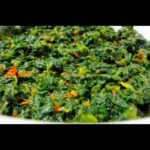
Sadza is the most popular food in Zimbabwe. It is eaten by people of all ages and social classes, and it is served at all three meals of the day. In many households, sadza is cooked in a large pot on an open fire, which gives it a unique smoky flavor. The dish is usually served with relish, which can be made from vegetables, meat, or fish. Sadza is also often eaten with traditional Zimbabwean foods like madora (fermented mopane worms), kapenta (small dried fish), and roasted groundnuts.
The Cultural Importance of Sadza in Zimbabwe
Sadza is more than just a food in Zimbabwe; it is a cultural institution. It is a symbol of unity, family, and community. In many traditional households, the family eats sadza from a communal plate, which is a sign of togetherness and sharing. Eating sadza is also a way of showing respect to elders and guests. In Zimbabwean culture, it is considered rude to leave the table before everyone else has finished eating.
Nutritional Value of Sadza and Its Health Benefits
Sadza is a highly nutritious food that is rich in carbohydrates, fiber, and protein. It provides energy and sustenance to people who engage in physically demanding activities like farming and manual labor. Sadza is also a good source of vitamins and minerals like vitamin B6, iron, and zinc. In addition, it has been shown to have several health benefits, including aiding digestion, reducing the risk of heart disease, and promoting weight loss.
Conclusion: Sadza as a Symbol of Zimbabwean Identity
Sadza is more than just a food; it is a symbol of Zimbabwean culture and identity. It has been a part of Zimbabwean cuisine for centuries and continues to be the most popular food in the country. Sadza brings people together, strengthens family ties, and promotes a sense of community. Eating sadza is not only a way of satisfying hunger, but it is also a way of celebrating Zimbabwean culture and traditions.


Facebook Comments