 John Myers
Traditional Cuisine of Palestine: An Introduction
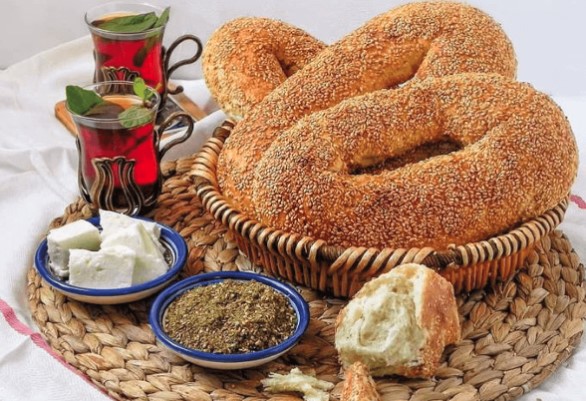
Palestinian cuisine is a reflection of the country’s rich cultural and historical background. It is a blend of traditional Arab cuisine and influences from the Mediterranean, Ottoman, and Levantine cultures. The cuisine is characterized by the use of fresh herbs, spices, and vegetables, as well as legumes, grains, and meats, such as lamb, chicken, and beef. Olive oil is a staple ingredient in most dishes, and bread is a common side dish.
Palestinian cuisine is not only known for its delicious flavors but also for its social and cultural significance. Sharing food is an essential part of Palestinian hospitality, and meals are often eaten communally. Palestinian cuisine is also deeply connected to the country’s lands and agricultural heritage, with many dishes made from locally grown produce.
Popular Palestinian Dishes and Ingredients
Some of the most popular Palestinian dishes include Mujaddara, which is made of lentils, rice, and caramelized onions, and Musakhan, a roasted chicken dish served with sumac onions and taboon bread. Another popular dish is Maqluba, which is a rice-based dish that includes layers of veggies and meat.
Palestinian cuisine also features a range of delicious dips and salads, including Hummus, Baba Ghanoush, and Tabbouleh. These dishes are made of fresh herbs, vegetables, and spices and are often served as appetizers or side dishes.
The cuisine also has a range of unique ingredients, such as Za’atar, a spice mixture made of thyme, oregano, sesame seeds, and sumac. Sumac, which has a tangy and citrusy flavor, is another essential ingredient in Palestinian cuisine.
Regional Variations and Influences in Palestinian Cuisine
Palestinian cuisine varies from region to region, with each area having its own unique dishes and flavors. For example, the cuisine in the coastal regions features seafood, while the cuisine in the rural areas includes more meat and dairy products.
Palestinian cuisine has also been influenced by the countries and cultures that have ruled the region throughout history. The Ottoman Empire, for example, introduced dishes such as Maqluba and Shawarma, which are now considered staples of Palestinian cuisine.
In conclusion, Palestinian cuisine is a unique and flavorful blend of traditional Arab cuisine and Mediterranean influences. It is deeply connected to the country’s cultural and agricultural heritage and is known for its delicious flavors and communal nature. Palestinian cuisine continues to evolve and adapt, reflecting the country’s rich history and diverse cultural influences.


Facebook Comments