 John Myers
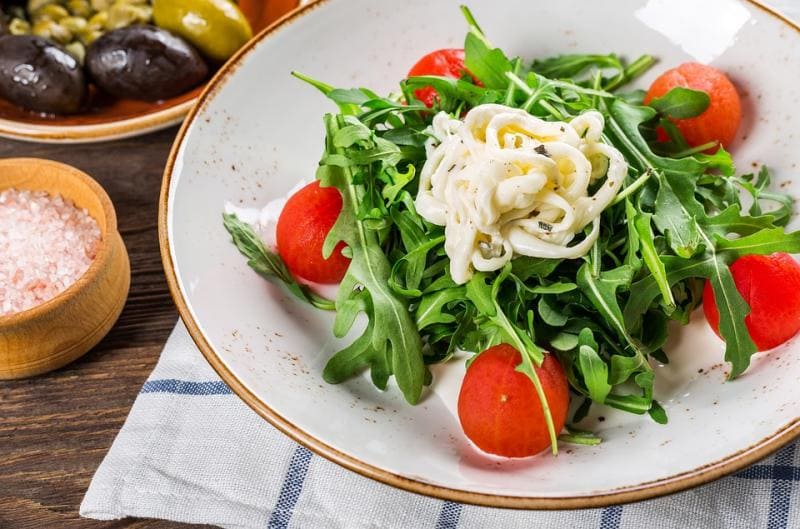
Slow Food is a nutritional concept that was launched as a kind of counter-movement to the widespread fast food. The focus is on three areas that should benefit from Slow Food: the consumer, the producer, and the environment. The aim is to give consumers access to food and dishes that promote their own well-being as well as that of producers and the environment. The focus is also on the conscious enjoyment of food by the consumer.
Slow Food is based on three basic requirements that good food must meet:
- Fair production or manufacture: This means that all people involved in production work under fair conditions and receive a reasonable wage.
- Clean production: The resources of the environment are not unnecessarily burdened during production, and nature is not damaged. Ecosystems are preserved.
- High food quality: Food should be nutritious, fresh, and harmless to health. They taste good, satisfy and stimulate the senses.
According to Slow Food criteria, the foundation for the high quality of the food can already be laid during production. Local producers are to be particularly encouraged. The regional cuisine, as well as local products and production, are considered to be particularly desirable and worthy of support. The strengthening of the regional economy is also viewed particularly positively in this context.
The environment is also an important factor in the Slow Food philosophy. Organic farming is considered just as desirable as the promotion of species-appropriate animal husbandry and breeding, as well as responsible agriculture and fishing. Biodiversity, i.e. the preservation of biological diversity, is also supported.
Eating takes time – this is another central assumption of the Slow Food movement, which is aimed at consumers. Enjoyment is the focus, preparation and consumption should be done consciously. The consumer should take his time, which is why eating slowly is considered particularly useful. This is how the culture of eating and drinking should be maintained. According to the Slow Food philosophy, food intake should go far beyond satisfying hunger pangs. In fact, slow and above all conscious eating should be part of a healthy and balanced diet. For example, the feeling of satiety sets in good time before too many calories are consumed unnecessarily.
Slow Food is now a non-profit organization that operates worldwide. It is divided into national and regional groups. Slow Food Deutschland e.V. now has over 10,000 members who are active in local groups (convivia). The organization wants to ensure transparency in the food sector and thus promote exchange between consumers, retailers, and producers. There are regular activities, such as cooking together or information events.



Facebook Comments