 John Myers
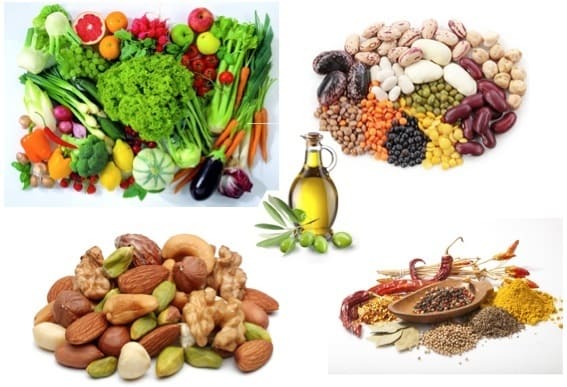
During menopause, a woman’s body and hormonal balance change. With small course corrections in nutrition, you can not only react to changing needs but also alleviate typical symptoms in this phase of life.
One of the most important changes during menopause is the lower energy requirements in old age with a roughly constant need for nutrients. For nutrition, this means that the diet must be low in calories, but at the same time rich in nutrients. However, anyone who has eaten a balanced and healthy diet up to now should not have any problems with the changeover. The food pyramid can help you create a balanced meal plan.
There are three basic tips to keep in mind:
- Choose gentle cooking methods: When steaming or steaming, more nutrients are retained in the food.
- Prefer foods that have been processed little or not at all: The nutrient density is usually higher here.
- Reach for low-fat variants, for example with dairy products, and give preference to lean types of meat.
In the case of fish, on the other hand, high-fat varieties are welcome, as these are a good source of vitamin D. Vitamin D helps the body utilize calcium to maintain bone stability. The formation of vitamin D through the skin decreases with age. The breakdown of bone substance is part of the natural aging process, which can already become noticeable during menopause. In order to slow down the process, care should be taken to ensure a sufficient supply of calcium in the diet in addition to a vitamin D intake from oily fish, liver, egg yolk, avocados, and mushrooms. Good suppliers are low-fat milk and milk products or calcium-rich mineral water.
A sufficient supply of proteins is required to keep muscles consistently strong during and after menopause. Foods of animal origin provide easily digestible proteins. Here, too, low-fat dairy products are the first choice, as well as lean meat such as poultry and one or two servings of fish per week. High-protein legumes can be on the menu in larger quantities. Eggs provide proteins that the body can use particularly well, but no more than two to three eggs should be eaten per week.
Other physical changes during menopause include fluctuations in hormone levels. The production of estrogen decreases significantly and with it the natural protection for the heart. This should also be taken into account when it comes to nutrition during and after menopause: Integrate food that is as high in fiber as possible into your diet, preferably in the form of vegetables, fruit, and whole grain products. Avoid high-fat foods, especially those high in saturated fat, such as baked goods and candy, fatty sausages, and ready meals. Instead, prefer foods that provide mono and polyunsaturated fatty acids. These are found in fish, nuts, and many vegetable oils. However, it should not be more than two tablespoons of high-quality oil per day. To save fat, fry meat without oil in a coated pan, for example.
To counteract typical menopausal symptoms such as hot flashes, eat small, frequent meals throughout the day. This is how you keep your blood sugar level stable. You should use hot spices sparingly. You can alleviate sleep disorders by avoiding stimulating drinks such as coffee, black and green tea, and caffeinated soft drinks from the afternoon. You should not have dinner too late and rather make it light.



Facebook Comments