 John Myers
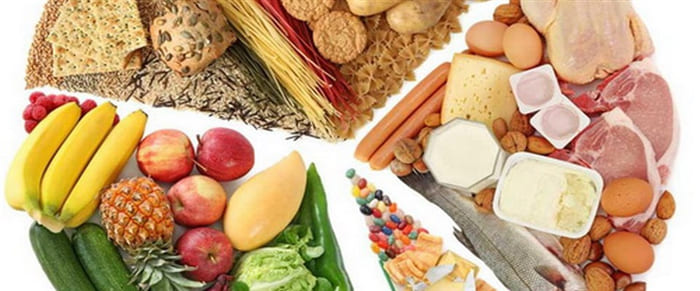
If food is heavy on the stomach or even causes digestive problems, it is considered difficult to digest. Although they do not have a negative effect on everyone’s well-being, there are certain foods that are less well tolerated by a larger number of people than others. Above all, high-fat and protein-rich food and a particularly high fiber content make the stomach and intestines difficult for those affected. But also very high-sugar foods, sugar substitutes such as sorbitol, and spicy dishes can cause problems.
However, this does not mean that difficult-to-digest foods should generally be avoided. A varied and balanced diet is extremely important. However, those who suffer from a sensitive gastrointestinal tract should enjoy the following foods in moderation and prefer easily digestible foods instead. If the symptoms persist, you should also consult a doctor.
In general, avoid extremes when eating if you are prone to indigestion. In addition to very fatty, very spicy and very sweet foods, this also includes heavily salted, very cold or very hot dishes.
For example, high-fat dairy products such as whole milk, cream, cheeses with more than 45 percent fat, mold cheese and overripe Camembert can be harder to digest for some. Hearty meat dishes such as roast goose or duck, pieces of meat studded with bacon, as well as smoked, cured and seared meat are also not well tolerated by many people. Fatty or smoked sausage products can also lead to stomach discomfort, a feeling of fullness and the like. Fatty types of fish such as herring, eel or salmon as well as smoked, pickled or preserved fish specialties contain healthy polyunsaturated fatty acids, but lead to digestive problems in those affected.
Certain types of vegetables are healthy, but more difficult to digest than others. Gas-inducing foods like cabbage, leeks, onions, mushrooms, peppers, olives—also learn how healthy olives are—cucumbers, radishes, and legumes like beans are potentially laxative foods, but they can also weigh on digestion. Salads with fatty sauces, such as mayonnaise, should also only be consumed in small quantities by people with sensitive stomachs.
In addition, carbonated or caffeinated beverages, such as sodas or coffee or black tea, as well as fresh bread and freshly baked goods, can cause digestive problems for some people. Others, on the other hand, do not tolerate whole grain products so well. While fiber is essential to a balanced diet, it can be difficult to digest in large amounts.
Some foods also only become more difficult to digest through certain types of preparation. Most people tolerate boiled potatoes without any problems, but feel stomach ache after eating French fries, croquettes or fried potatoes. Roasting, frying, searing or using a lot of fat during preparation can make food difficult to digest.
For a balanced, healthy diet, you should ideally combine foods that you tolerate well in a mixed-plate scheme and enjoy them over several small meals. If you want plenty of variety on your mix plate, you can leave out difficult-to-digest items or reduce them to small amounts. You are certainly still sufficiently supplied with vital substances. It is only worthwhile for newcomers to whole grains to check whether tolerance improves after a careful period of getting used to small amounts. The intestine can usually adapt and digest whole grains better over time. It’s worth a try, considering the high content of vital substances in whole grain products. Of course, you should drink a lot with whole grain products so that the fiber they contain can swell.


Facebook Comments