 John Myers
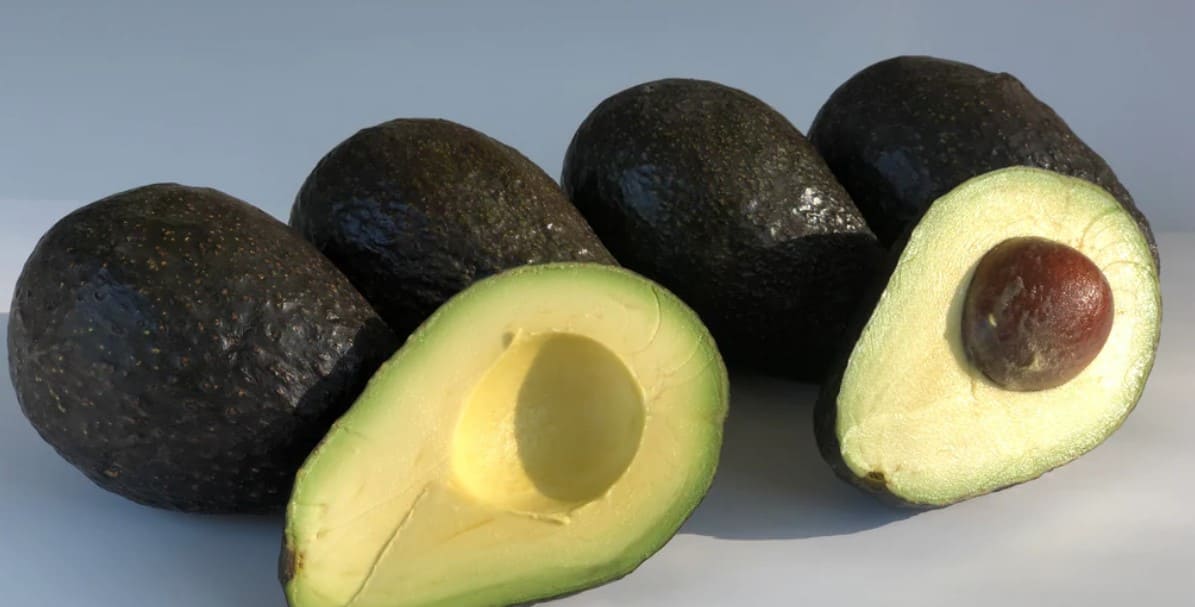
The avocado is not only considered a trend fruit and a tasty source of nutrients for vegetarians and vegans: Despite its high-fat content and the corresponding number of calories, the fruit native to Mexico is very healthy. In contrast to other types of fruit, the avocado contains hardly any sugar or fruit acids, for example, while at the same time providing many important nutrients. Avocados contain vitamin E, B6, and D as well as valuable minerals such as potassium. In addition, the fruit, which actually belongs to the berries, is a supplier of healthy unsaturated fatty acids.
The avocado is considered to be the richest in fat among the known fruits and vegetables. Their pulp consists of about 25 percent fat, so that 100 g can have up to 130 calories. With an average weight of around 170 g, a whole avocado contains more than 220 calories – larger fruits correspondingly more. However, the fat in the avocado consists mainly of healthy unsaturated fatty acids (especially monounsaturated fatty acids), all of which the body cannot produce itself (polyunsaturated fatty acids) and which must therefore be obtained from the diet. A balanced diet based on a high proportion of monounsaturated and polyunsaturated fatty acids together with a low proportion of saturated fatty acids minimizes the risk of certain coronary artery diseases, such as suffering a heart attack.
For example, if you use avocado instead of butter as a spread, you are looking for a healthy alternative. Although a whole avocado contains many calories, you don’t need a whole fruit for a slice of bread – you usually get by with 50 calories and about 5 g of fat. 100 g of avocado contains around 130 calories, while 100 g of butter contains more than 700 calories. Unlike butter, the avocado also contains no cholesterol.
In total, avocados contain almost 20 different types of vitamins, minerals, and phytochemicals, as well as fiber. As healthy as the avocado is for most people, diabetics should exercise moderation with high-fat fruit. The substance it contains, mannoheptulose, inhibits the release of insulin when large amounts of avocado are consumed and can lead to a temporarily elevated blood sugar level.



Facebook Comments