 John Myers
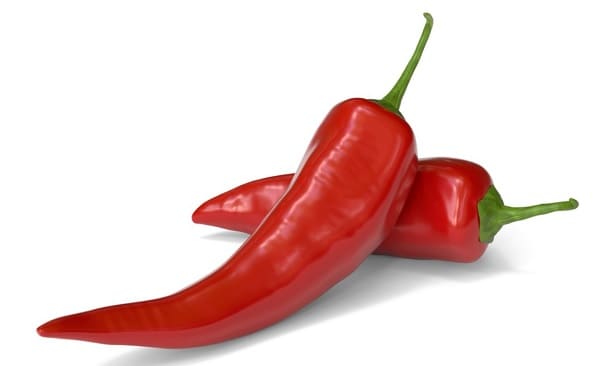
Chili contains the substance capsaicin, which provides heat. It is not particularly high in the seeds, as is often assumed, but in the separating walls of the chilli fruits. Although capsaicin is also found in peppers and paprika, the proportion is significantly higher in chili.
In contrast to other ingredients, capsaicin does not trigger a typical taste sensation, but a pain stimulus. As is so often the case, it is the quantity that decides whether it is digestible: While the capsaicin content of sweet peppers is only around 0.01 percent, it is 3 percent in very hot chili varieties. Chilies with a 10 percent capsaicin content are hardly edible.
Nevertheless, chili is loved because of its heat and is often used in the kitchen. It gives both savory and sweet dishes that certain something. And yet it can also be too much of a good thing: sometimes you misjudge and add too much chilli, some people are generally sensitive and don’t like it hot. Then various methods help to soften the sharpness a little.
However, water does not help because capsaicin is not water soluble. Instead, it’s fat-soluble, so fatty foods can help counteract the chilli’s heat. Sugar also reduces spiciness, so sweetened condensed milk is a good combination as an antidote. Other fatty dairy products, especially yoghurt, milk, and cottage cheese, also help. According to some researchers, the most effective antidote to spiciness is mascarpone on untoasted toast.



Facebook Comments