 John Myers
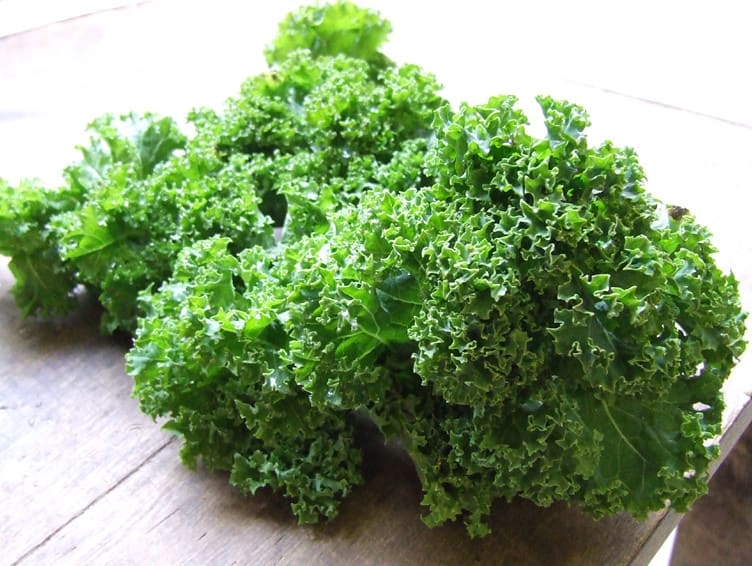
The superfood kale can also be toxic. If you eat cabbage regularly, you should be careful. In this article, we explain what you need to know.
Kale is poisonous: the most important facts
Kale contains a lot of vitamin A and is therefore an integral part of many smoothies. Eat the vegetables regularly, you should be careful. The vegetables are just as toxic to your body:
- The kale itself is good for your body. It contains a lot of vitamin A, which is good for your eyes and skin. Vitamin K is also present here in sufficient quantities. If consumed regularly, the vegetable is even said to protect your body from cancer.
- But kale also contains the substance progoitrin. Excessive consumption of cabbage can have a negative effect on your thyroid hormones. It blocks the absorption of iodine. However, this is responsible for the normal function of your thyroid gland. However, this is only the case if you eat kale in excess.
- Due to the heavy environmental exposure to chemical substances, kale is toxic to your body. As the vegetables grow, they absorb heavy metals such as aluminum, arsenic, nickel and thalium from the soil. Thalium is contained in rat poison, among other things. This applies not only to conventional kale, but also to organic kale and many other types of vegetables.
- The heavy metals remain in the body and usually cannot be removed from the body. The consequences can be digestive problems, hair loss, nausea, heart problems and exhaustion.
- Vegetables are also often contaminated with pesticides. It is therefore particularly important to wash it off thoroughly with water before consumption. It is best to use organic vegetables, as they have been processed less with chemical fertilizers and less aggressive pesticides.



Facebook Comments