 John Myers
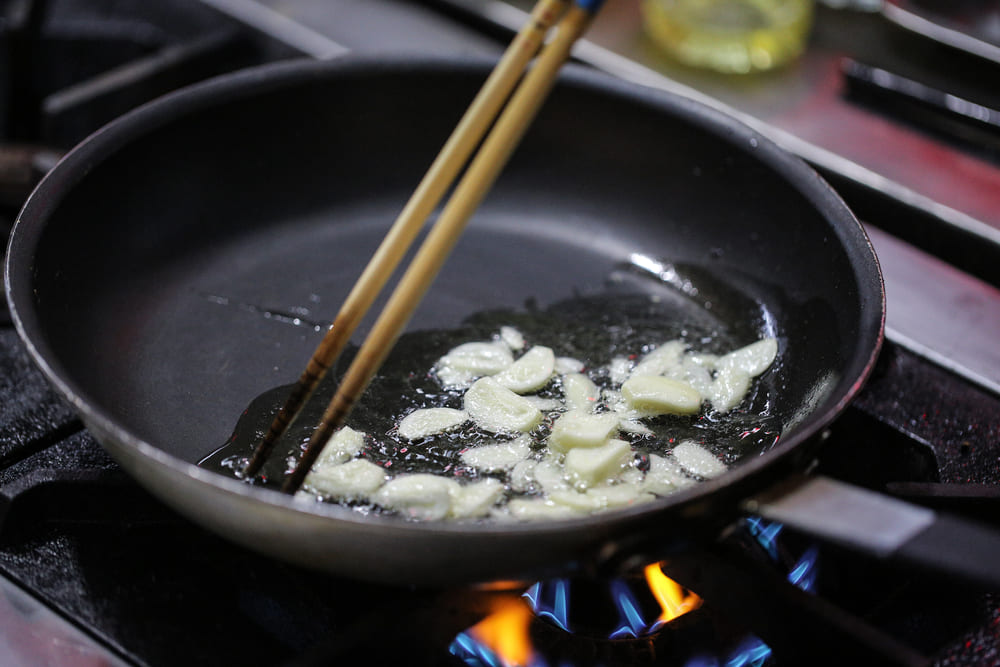
When baking, oil (linseed oil) and heat bring a film to the surface of the iron pan. This creates a non-stick layer that has less non-stick effect than Teflon or ceramic but is much more durable. If this “patina” (this is what the non-stick layer on iron pans is called) is damaged, the pan can be seasoned again relatively easily. In this way, iron pans can be used for decades.
If the pan fits in the oven, this method is a good alternative. Since the pan will be placed upside down on the rack, place a baking sheet lined with aluminum foil in the oven underneath to catch any dripping oil. And this is how it works: Rinse the pan thoroughly with water to remove any production residues and then dry it completely. To ensure that there is no more moisture in the pan, you can warm it up over low heat. Now grease the entire pan with kitchen paper. Don’t forget the handle. Place the pan upside down on the wire rack and bake at 200 degrees for 1 to 2 hours. Take the pan out of the oven and let it cool down. Then wipe the pan with a damp paper towel. Do not use detergent to clean the pan, otherwise, the patina that has developed will be removed. Finally, rub the pan with some oil.
When to season when roasting?
However, if you do this, you should only sear the meat briefly after it has completely absorbed the brine. For that certain something, pepper, paprika, curry, or rosemary should not be missing: However, extreme heat is not good for these flavors. Therefore, these spices should only be used towards the end of the roast.
Why do you season the meat before roasting it?
If you salt the meat before roasting, water is osmotically removed from it. Ergo, the meat becomes dry. But that’s not true, the process of osmosis doesn’t happen that quickly after all. So: Salt and quickly into the pan, then it stays tender.
When to season meat in the pan?
The larger the piece of meat, the longer you should let the salt work. You can salt a whole roast a good 24 hours in advance. A couple of hours is enough for a steak. We recommend always salting small pieces such as small pieces, or sliced or minced meat after frying.
When do you season when cooking?
But be careful: Some spices don’t like heat at all and others only develop their full flavor when they are cooked for a long time. A rough rule of thumb says: Ground spices are only added to the food at the end, whole spices can be put in the pot right from the start.



Facebook Comments