 John Myers
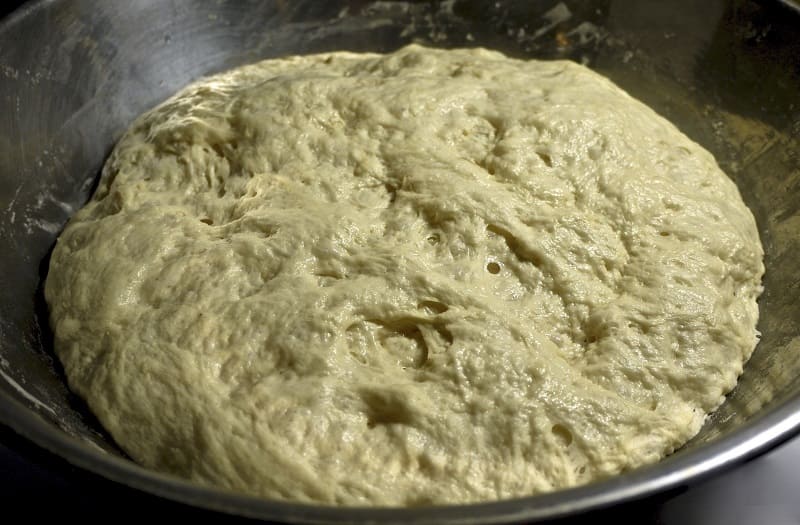
If your yeast dough is too sticky, don’t despair immediately. We share several ways you can salvage over-sticky dough using simple tips.
Yeast dough too sticky: you can do that now
If your yeast dough is too sticky after rising, don’t despair. It is quite normal that the yeast dough is not always perfect straight away; however, with a few tips, it becomes ideal.
- It is important that you knead long enough : the dough often remains too sticky if you don’t knead long enough. You should knead a yeast dough for at least 10 minutes.
- If your dough is too sticky after proofing, you should add more flour first. Do this until the consistency is right. If you use too much flour and it becomes too dry or too firm, you can simply carefully fold in some water.
- If you have some time, you can also simply put dough that is too sticky in your freezer for an hour or two. The cold usually makes a sticky dough easier to grip and firmer.
More baking tips for yeast dough
To ensure that your yeast dough rises perfectly, the following tips can be helpful:
- Fresh yeast usually rises better than dry yeast. About one cube of fresh yeast or two sachets of dry yeast are used for one kilogram of flour. You should dissolve this in warm water.
- Yeast dough works best at a temperature of around 40 degrees. Preheat the oven to this temperature and then place the dough in it, covered with a damp kitchen towel.
- You can also freeze yeast dough. It is important that it is frozen before the first fermentation process. It lasts about six months like this. After defrosting, he should leave in a warm place, as usual.



Facebook Comments