 John Myers
Gluing pasta: you can do that
Noodles go well with salad and taste good in a casserole or with a delicious sauce. However, if after cooking the noodles stick together and only one large lump of dough remains, the appetite will be lost.
- If you don’t want the noodles to stick together, you must first use enough water to cook them. Use about 1 liter of water for 100g of dry pasta so that the pasta can cook properly. Tip: Put the pasta in a colander beforehand to be able to estimate the amount better.
- Use a large saucepan because this gives the pasta more space and the boiling water cannot later boil over.
Add the pasta to the boiling water after salting it to your liking. Tip: Only add the salt when the water is hot enough for it to dissolve faster. After adding the pasta, stir well to get the pasta moving, cook evenly, and not stick to the bottom of the pot or within itself. - Cook the noodles in the boiling water, uncovered, stirring occasionally. Cooking time varies depending on whether you are making store-bought or fresh pasta. Store-bought pasta takes much longer to cook than fresh pasta. It is best to roughly follow the cooking time given on the packaging. In any case, you should try your noodles after a few minutes to see whether they are al dente and therefore al dente. Homemade noodles often float to the top when they’re done.
- After the pasta has the desired consistency, you must pour it into a colander and let it drain extensively. Note: Do not quench the cooked noodles or otherwise pour water over them.
- Add a dash of olive oil or some melted butter to the drained pasta and then mix thoroughly again. With this trick, the noodles will not stick together. Alternatively, you can also thoroughly stir in your served sauce.
- Caution: After adding butter or oil, the sauce will no longer stick to the pasta as it did before.
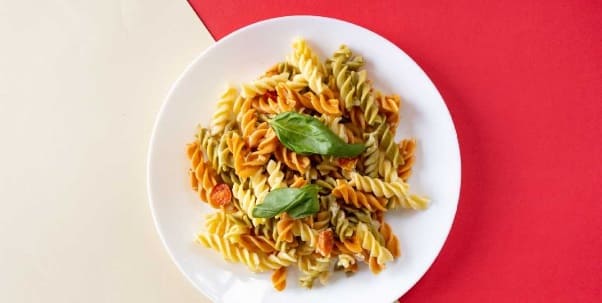
- Now you can best serve your finished pasta with a few fresh basil leaves as a topping. Good Appetite.


Facebook Comments