 John Myers
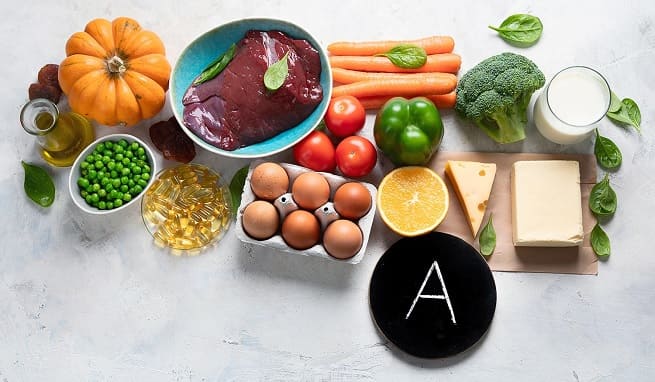
Vitamin A fulfills essential functions in the body and should play a correspondingly large role in a balanced, healthy diet. The body needs it for various growth processes, for example. The vitamin is also important for the skin and mucous membranes, and it supports the maintenance of normal vision.
With a varied diet, a vitamin A deficiency is very unlikely. In some plant-based foods, vitamin A occurs as the provitamin beta-carotene. The precursor of the vitamin is only converted into vitamin A in the body.
Adolescents and adults need around 1 milligram of vitamin A per day. Pregnant women have a slightly higher requirement of 1.1 milligrams while breastfeeding women need a little more at 1.5 milligrams. Vitamin A is mainly found in animal foods such as liver and fish or cheese and milk. The vitamin is also found in various types of vegetables – but here as provitamin beta-carotene, in large quantities in carrots, for example. But spinach, broccoli, tomatoes, and apricots also contribute to a good vitamin A supply.
Vitamin A is one of the fat-soluble vitamins. When ingested in the form of beta-carotene, the body needs additional fat to be able to utilize it properly. Accordingly, these foods should always be combined with some fat. As a rule, just a few drops or even the fat left in the stomach from previous meals is sufficient. The average daily requirement of vitamin A can be covered with just one carrot or a small piece of liver.
An overdose of vitamin A over a long period of time can lead to various ailments or physical damage, for example, the liver can be damaged. Oversupply during pregnancy can possibly affect the unborn child, so pregnant women should seek medical advice about additional vitamin A intake from dietary supplements. In the form of the beta-carotene found in plant-based foods, on the other hand, an overdose is impossible: the body then does not convert the provitamin into vitamin A but deposits it in the skin. Yellow discoloration may occur, but this is harmless.

Facebook Comments