 John Myers
Contents
show
Healthy ingredients of frozen vegetables
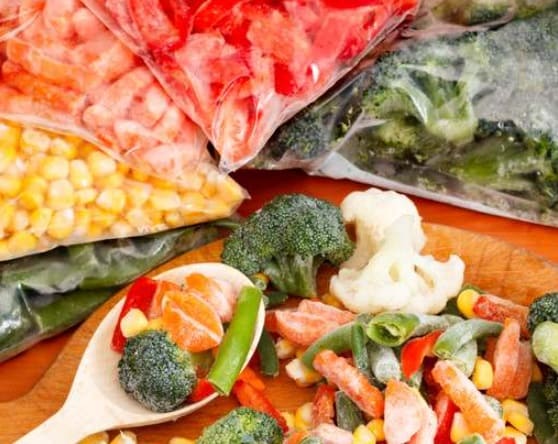
Various organizations around the world have conducted various studies on the quality of frozen vegetables. They examined the nutrient content of vegetables and fruit in three stages – directly after harvesting, after several days of cooling and deep-freezing.
- In these studies, frozen vegetables were found to have higher nutrient levels than fresh ones, making them extremely healthy for the body.
- Fresh vegetables are usually frozen immediately after harvest, which preserves many nutrients and minerals.
- Most fresh fruit and vegetables in stores have gone through many stages of transportation before they reach customers’ homes. This has a negative effect on its healthy nutrients.
The qualities of frozen vegetables
Some of the most important nutritional properties of fresh fruits and vegetables can be preserved in the garden for up to 48 hours after being picked. However, you will rarely find such freshly harvested produce in the shops, so frozen vegetables offer a good alternative to these.
- In the first 24 to 48 hours, vegetables and fruit lose a large part of their vitamins and moisture and are therefore particularly susceptible to bacteria and germs.
- For example, the vitamin C in corn can be halved within 24 hours of harvest.
- Although vegetables and fruit retain their healthy components when frozen, they can be affected by defrosting. More on that in the next chapter.
- If you want to keep fresh vegetables fresh yourself, the best option is to store them in cans in the freezer.
- You can also wrap your veggies and fruit in foil, which will help you save some space in your fridge.
Thaw frozen vegetables and preserve their nutrients
Frozen vegetables don’t require any special handling, but when you thaw them, be careful not to overheat them. Otherwise, nutrients could be lost.
- Avoid defrosting vegetables in the microwave or in boiling water. The most effective way is to use parchment paper and leave the veggies in the oven for a few minutes.
- Not all vegetables require additional cooking time to be consumed. Some frozen vegetables like corn or peas can be added to the meal at the end of preparation to preserve their quality.
- Before you defrost vegetables, you should check whether they require special preparation. This way you can be sure that you are getting the best taste and maintaining their nutritional values.


Facebook Comments