 John Myers
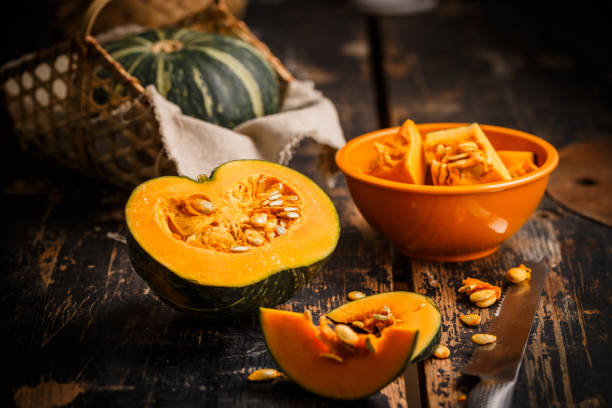
When autumn comes, it comes too: the pumpkin season, which many have been eagerly awaiting. The pumpkins are not only a great colorful addition to the garden and house, the delicious pumpkin dishes are finally back on the menu.
Pumpkin time – that’s when the colorful pumpkin months begin
If you planted the pumpkin seeds in spring, you can look forward to a decent pumpkin harvest from the end of August. Pumpkins are relatively undemanding plants and taking care of the pumpkin plants hardly takes any time.
- As soon as it shimmers colorfully through the green, there is hope that the fruit is ripe and you can harvest the pumpkins. As a rule, the pumpkin harvest begins towards the end of August.
- The harvest time of the popular pumpkin varieties Hokkaido, butternut, and spaghetti squash is in the course of September.
- You can tell which squash is ready for harvest by the fact that the skin is quite hard and won’t give when you press on it with your finger. If you tap on the skin, you will hear a hollow sound, and the stalk of the ripe pumpkins is very dry.
- You should harvest the pumpkins by the end of November at the latest. As soon as it gets wet and cold outside, you run the risk of the vegetables starting to go moldy. Proper storage of the pumpkins is also important afterward.
- Of course, only the edible pumpkins are edible, whereas the ornamental pumpkins are highly poisonous. But there are good distinguishing features between ornamental and edible squashes, such as shape and color.
- The ornamental pumpkins are a great autumn decoration for indoors and outdoors. Not to forget the fun of carving the Halloween pumpkins.
- You should make the most of the pumpkin season because you can do a lot with the colorful and sometimes bizarre-looking pumpkins.
Preparing pumpkins – you should pay attention to this
Pumpkins can be prepared in many different ways. From the popular pumpkin soup to pumpkin salad and pumpkin vegetables to pumpkin pie, you won’t get bored with the vegetables.
- After you have peeled the pumpkin, which is not as difficult as it seems at first glance, you can prepare low-calorie pumpkin spaghetti, for example. By the way, there are also types of the pumpkin where you can eat the skin.
- You can also eat many pumpkins raw, but with our pumpkin seasoning tips, the vegetables might taste even better.
- If you had a particularly rich harvest, can the pumpkins. That way, you can have some nutritious veggies all winter long. Pumpkins can also be frozen very well.
- Under no circumstances should you throw away the pumpkin seeds. The pumpkin seeds are so healthy that they are even counted among the superfoods.

Facebook Comments