 John Myers
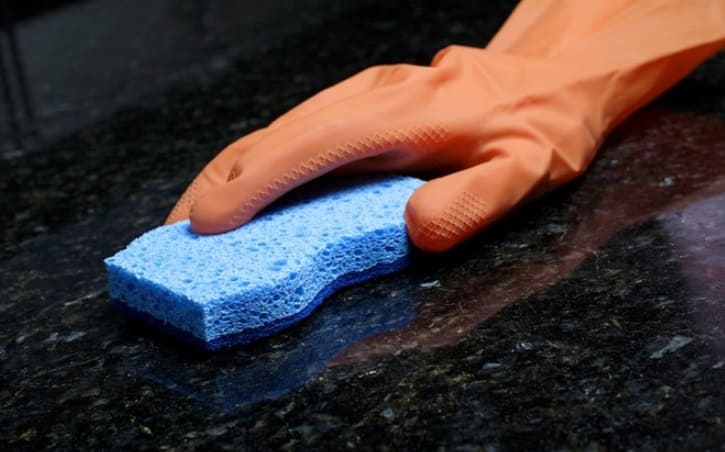
Cleaning the kitchen worktop: Pay attention to the material
Depending on whether you have a plastic, wood, or stainless steel worktop, you have to pay attention to the right cleaning agents. However, the following applies to all worktops: Do not use any aggressive agents.
- Wood: Wood is a natural material that requires intensive care. Wooden countertops are finished with special wax or oil to allow you to work on the surface. If food residue ends up on the wood, you should still remove it as soon as possible. This applies in particular to liquids. Because wood absorbs liquids quickly, it could warp.
- It is best to use soap flakes or soft soap dissolved in water for cleaning. But never use detergent. This is difficult to remove from the wood surface. Dry your wooden worktop well after cleaning so that the soap and water residue cannot penetrate the wood. Also, treat the work surface regularly with suitable furniture oil. Always follow the instructions for use.
- Granite and stone: Stone materials are also of natural origin and require special care. They are impregnated before installation. This prevents water from penetrating the natural stone. Therefore, only clean stone worktops with warm water and a soft cloth.
- Then dry the worktop well so that the impregnation is not unnecessarily attacked. Do not use soap or washing-up liquid on stone materials. They could damage the impregnation. Also, use maintenance sprays for natural materials that are suitable for your worktop.
- Tip: If you have accidentally soiled your wood or stone worktop that you cannot remove, it is best to contact the retailer. He will be able to advise you and explain which care and cleaning products are best suited for your worktop.
Cleaning stainless steel and plastic: you should pay attention to this
Clean your countertops every two weeks by clearing all the space. Remove dust, grease, and dirt. Also disinfect surfaces that have come into contact with raw foods such as fish, meat, and store packaging.
- Plastic: Plastic worktops are very easy to care for. Clean heavy soiling, for example, with detergent and warm water. You can remove light soiling with warm water.
- Do not use aggressive cleaning agents on plastic worktops. This includes, for example, scouring milk. They attack the material. You should also avoid steel wool and hard brushes, as the plastic surface can be badly scratched.
- Stainless steel: Stainless steel is also relatively easy to care for. It is best to clean the stainless steel worktop with washing-up liquid and warm water. You can remove light stains with a damp cloth. Limescale stains left by the water can be removed with a little vinegar. This does not attack stainless steel and is better than chemical anti-limescale agents.
- Always dry the stainless steel worktop with a dry cloth. In this way, you prevent unsightly streaks, water stains, and limescale stains.


Facebook Comments