 John Myers
Sweet baked goods brighten our lives – whether for breakfast or as a treat in between. This also applies to the Hispanic specialty Pan Dulce. Read where the pastry comes from and how you can make Pan Dulce yourself.
What is pan dulce and where does it come from?
In the literal translation Pan Dulce simply means “sweet bread”, but the Hispanic specialty is much more than that, because many varieties are summarized under the name. A pan dulce in Mexico is sometimes prepared very differently than a pan dulce in Venezuela. There are simple recipes for which you only need a few ingredients – such as for our Brazilian brigadeiros pralines – and complex versions with double dough. The variety is due to the origin of pan dulce: the sweet bread was brought to the New World by Spanish immigrants and influenced by many other culinary cultures, such as the French. In Mexico alone, it is estimated that up to 2,000 different Pan Dulce varieties were created!
Make pan dulce yourself and enjoy with spreads
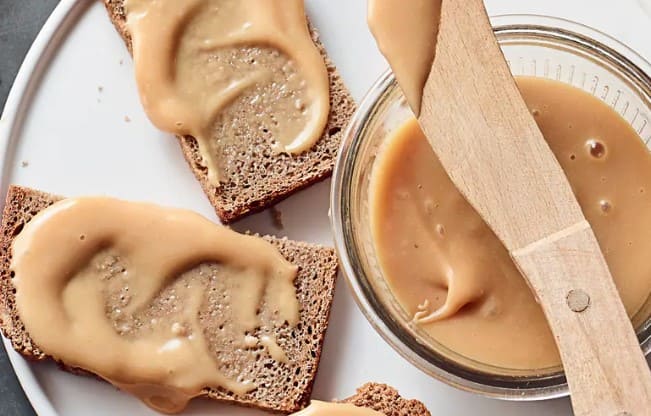
What all of the baked goods have in common is their delicious taste and versatility. You can enjoy the slightly sweet Pan Dulce pure like a particle with a cup of coffee or spread it with jam or honey in the morning for breakfast. A particularly suitable spread is the Latin American dulce de leche – creamy caramel cream. As a basic recipe for the Pan Dulce, for example, the following is suitable:
- Mix 1 kg of flour, 1 cup of sugar, 20 grams of dry yeast, 1 tablespoon of aniseed, and 1 teaspoon of salt.
- Whisk together 2 cups of milk, 2 eggs, and 2 teaspoons of vanilla.
- Slowly add the liquid ingredients to the dry until a smooth batter forms.
- Let the dough rise for 45 minutes and then knead it gently.
- Form balls from 100g of dough, place them on a baking sheet covered with sugar, and wait until they have doubled in size.
- Meanwhile, preheat the oven to 250 degrees and bake the pan dulce for about 15 minutes.
You can add sugar icing or a topping to the Pan Dulce, which looks like a bun.
Create your personal Pan Dulce
In addition to the recipe described for a rather simple pan dulce, there are also preparation options similar to panettone. Then butter, dried fruit, and spices are added to the dough. Or you can use food coloring to prepare colourful, biscuit-like pan dulce – the creative possibilities are almost unlimited. If you want to prepare Pan Dulce vegan, you can use plant-based substitutes instead of milk and eggs. Good results can also be achieved with aquafaba, the canned water from chickpeas.
Whichever variety of sweet bread you choose, enjoy pan dulce on its own or as a dessert after a South American main meal like our Mexican-style chicken fajitas.


Facebook Comments