 John Myers
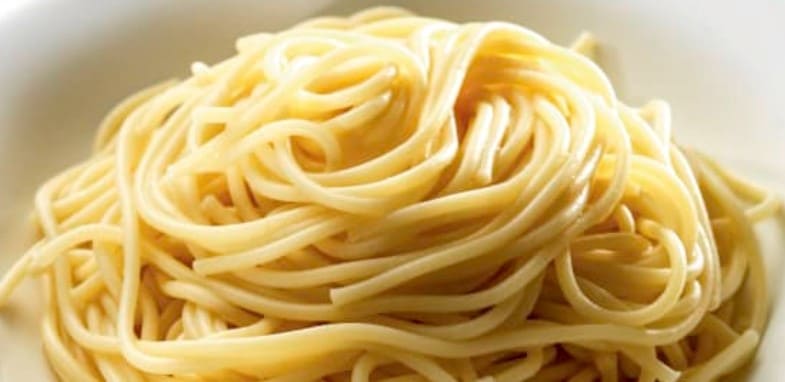
Noodles make you happy – and simply taste delicious. Due to their high carbohydrate content, however, they are considered fat eaters. But not all types of pasta have the same number of calories.
Pasta dishes are among the absolute favorite recipes of many people. Pasta is quick to prepare, it’s cheap, and everyone can find their personal favorite type: from spaghetti to penne to macaroni.
Pasta is available with and without egg, from classic grains such as wheat or spelled, in the whole grain version, there is gluten-free pasta, pasta made from buckwheat or legumes and and and. Most types of pasta in the supermarket are made from durum wheat, and the selection of wholemeal pasta and low-carb pasta is growing all the time.
Which pasta has how many calories?
Here you can see which pasta has how many calories and carbohydrates. The calorie information (based on our own research into common products in the supermarket) refers to the uncooked product, i.e. 100 g of pasta as it comes out of the pack.
Durum wheat pasta without eggs: 359 kcal / 81 g carbohydrates
Spelled pasta: 359 kcal / 67 g carbohydrates
Wholemeal pasta: 350 kcal / 61 g carbohydrates
Pasta with egg: 362 kcal / 66 g carbohydrates
Glass noodles (made from mung beans): 346 kcal / 86 g carbohydrates
Soba noodles (with buckwheat flour, gluten-free): 352 kcal / 75 g carbohydrates
Red lentil pasta: 335 kcal / 50 g carbohydrates
Green Pea Noodles: 334 kcal / 55 g carbohydrates
Shirataki noodles (konjac-based): 10 kcal / 0 g carbohydrates
Rice noodles (made from rice flour): 351 kcal / 79 g carbohydrates
Chickpea noodles: 357 kcal / 51 g carbohydrates
Mie noodles (without egg): 371 kcal / 78 g carbohydrates
Cooked noodles have fewer calories per gram than uncooked ones, because noodles absorb water when they are cooked. If you cook 100 grams of pasta, you will end up with about 200 grams of finished pasta.
These noodles have the fewest calories
Our overview shows: Noodles are not really low in calories, but on the other hand, noodles are not fattening foods. They only become that when we combine them with high-energy and high-calorie sauces. Because the noodles themselves contain almost no fat.
The differences in calories between the individual types of pasta are rather small. Pasta made from legumes sometimes has slightly fewer calories than traditional durum wheat pasta and also scores with more complex carbohydrates and lots of plant-based protein.
Noodles made from white flour are considered “empty calories”: They are comparatively low in minerals and fiber and do not fill you up for long.
Shirataki noodles have by far the fewest calories, which is why they are also known as “miracle noodles”. The few calories come from the indigestible fiber glucomannan, which is obtained from the flour of the Japanese konjac root. The gooey low-carb pasta tastes like very little and contains hardly any carbohydrates – but no protein, vitamins, minerals, or healthy fats either. In this respect, a plate of Shirataki noodles fills you up but otherwise provides no added value.
How many grams of pasta should you calculate per serving?
If you plan on pasta as a main course, you should calculate about 100 to 120 grams of (uncooked) pasta per serving. Approx. 60 grams are enough as a side dish.
Make noodles fat?
With these tips, pasta is not fattening:
- Only cook as much pasta as you eat. Portions that are too large tempt you to eat up.
- If possible, eat whole grain pasta again and again – the proportion of vitamins, fiber, and minerals is higher here. Plus, they keep you full longer.
- Plain pasta is not a good idea. You should always combine pasta with vegetables or salad.
- Look for a low-calorie sauce. Pesto and cream sauces are delicious, but they contain more calories than necessary. Homemade tomato-based vegetable sauces based on tomato paste or tomato passata are better.

Facebook Comments