 Bella Adams
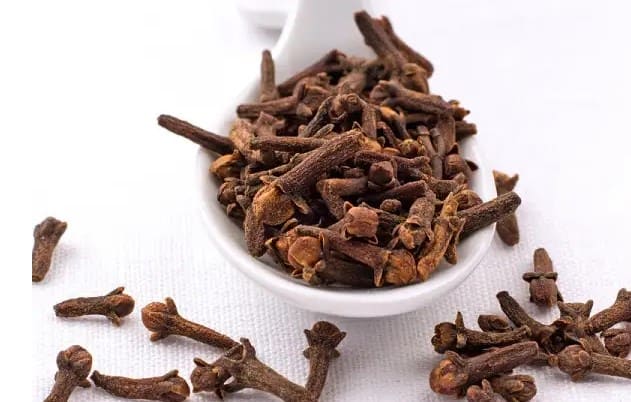
The piquant aroma of this spice makes any dish even more appetizing and attractive. However, its beneficial properties are not limited to flavoring culinary products; these inflorescences are also widely used in medicine to treat various diseases. So, meet cloves – a spice unique in its flavor and health benefits. Let’s talk about its beneficial and harmful properties.
Clove composition
The composition of cloves is so rich in vitamins, microelements, and other substances that it immediately becomes clear how cloves have such powerful beneficial properties. The nutritional value of cloves is explained by their high content of protein (6 g per 100 g), fat (20 g per 100 g), and carbohydrates (27 g per 100 g). One-third of cloves is fiber – an essential dietary fiber that affects intestinal function (34 g of fiber per 100 g of cloves).
This spice also contains ash and water (about 6 g per 100 g of product). About 20% of this spice is an essential oil, it is rich in valuable aromatic compounds (eugenol, caryophyllene, langelin, etc.).
The vitamin composition of cloves can be the envy of the most complete multivitamin complex. The dried inflorescences contain beta-carotene, the bulk of B vitamins (B1, B2, B3 or PP, B4, B6, B9), ascorbic acid, tocopherol (vitamin E), and phylloquinone (vitamin K).
Minerals are represented by micro- and macroelements, such as potassium, calcium, sodium, magnesium, phosphorus, iron, manganese, copper, selenium, and zinc. Clove buds also contain glycosides and tannins.
The caloric content of the product is 323 kilocalories per hundred grams.
Healing properties of cloves
Clove buds contain a real multivitamin complex that can have a positive effect on the human body.
Essential oils and tannins saturate cloves with antiseptic properties. Cloves heal wounds well, cleanse purulent ulcers and relieve pain.
It has a positive effect on the cardiovascular system. The spice, consumed regularly, improves peripheral and cerebral circulation, normalizes the work of the heart muscle, and aromatic substances can affect the state of the nervous system.
Clove buds relieve fatigue after physical exertion and help to restore strength. The burning taste helps in the production of gastric juice and facilitates digestion.
Cloves are used to treat diarrhea and flatulence. It is also used for diseases of the rectum and liver.
Clove buds are a powerful aphrodisiac that can increase sexual desire in men. In women, this spice normalizes the menstrual cycle.
The use of essential oils contained in cloves helps to relieve shortness of breath in patients with asthma.
Biologically active substances in cloves slow down the development of cancer cells.
Clove oil (a tablespoon of the spice-infused with 100 ml of olive oil) is often recommended in folk medicine recipes. Just a few drops of this aromatic medicine can relieve migraines if rubbed into the temples. The effect of the application becomes noticeable within the next twenty minutes.
In the case of otitis media, the oil is instilled into the ears to relieve pain and inflammation, and cotton swabs soaked in oil are placed in the diseased teeth.
In case of high blood pressure, several dry buds should be chewed slowly in the mouth. Within five minutes, this remedy reduces pressure. It also copes well with vomiting or nausea.
For the treatment of throat in case of sore throat and pharyngitis, rinsing with a solution of ground spice (half a teaspoon in a glass of water with a pinch of salt) is used, and baths with clove oil are taken to cleanse the skin. It is also included in nourishing face masks.
Contraindications for the use of cloves
Contraindications to the use of cloves may include:
- allergic reactions to the product;
- Pregnancy at any stage (the spice causes the tone of the uterine muscles);.
- breastfeeding and the age of the child under two years;
- gastritis with high acidity and peptic ulcers.
Cloves in cooking
Clove spice is traditionally used in all kinds of marinades – mushroom, fruit, and vegetable (pumpkin, squash, cucumbers and cabbage, cherry, currant, lingonberry), meat, and fish. Canned fish is also not without clove umbrellas; it is used to season thick soups and main meat dishes.
The aromatic spice is an essential component of winter drinks: warming tea and coffee. Cloves are also often added to desserts, especially in combination with classic cinnamon, ginger, and nutmeg.
A little secret: before putting cloves in a dish, be sure to check them for freshness and flavor. To do this, forcefully throw a few buds into a bowl of water. A good, fresh spice will sink or float upside down, while a dried and old one will float horizontally.
Cloves are moody, they don’t like to be in the pot for too long. To get a delicate flavor, it is better to throw clove umbrellas into broths and soups 3-5 minutes before cooking, into main dishes – 10 minutes, and into marinades – along with other seasonings. Cloves are added to the dough before frying and baking: the tops of the umbrellas are usually used for baking, as they preserve the delicate and delicate flavor of the spice.
Adults are recommended to consume two to five clove buds a day. When following a diet, two buds are put in morning tea or coffee, after cutting off the “legs” to remove bitterness. This drink tones up and maintains strength.
The spice can be given to children from the age of two or three. It is best in the form of tea with the addition of clove buds. The first time you need to give only a few teaspoons of the drink and monitor the reaction of the child’s body.
Rules for choosing cloves
Knowing just a few simple rules will help you buy quality cloves.
Crushed cloves spoil faster and become bitter. A high-quality seasoning has a red-brown hue and is slightly oily to the touch. Clove essential oil is mainly concentrated at the base of the petiole.
The bud should be flexible, and dry and shriveled indicates that the spice has been stored for too long. Its use will not cause harm, but the saturation of smell and taste is much lower.
Such an unusual product as cloves on our table should deserve special attention. There are many benefits of cloves and you now know them, so you can help yourself and protect your health, but there are also contraindications, so do not forget about them. Stay healthy!


Facebook Comments