 John Myers
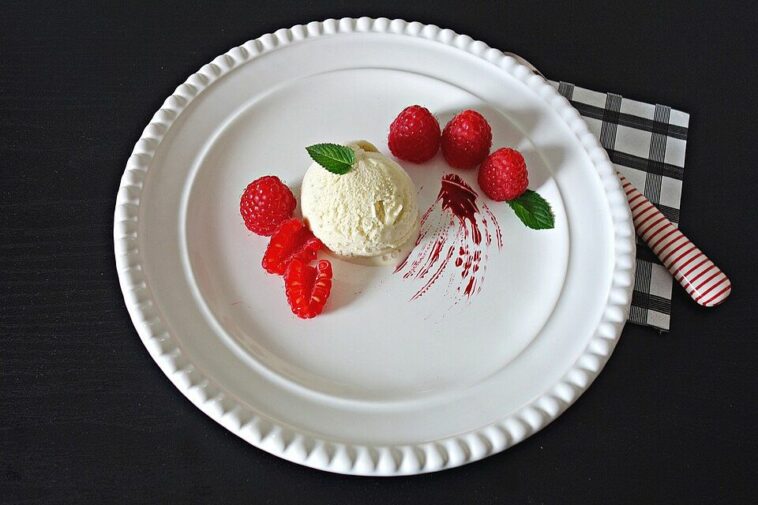
Ingredients for 6 servings:
- 400 ml whole milk or cream or mixed, according to taste
- 6 egg yolks
- 40 g sugar, fine
- 40 g glucose
- 20 g invert sugar
- 1 vanilla pod(s)
Instructions
Working time approx. 30 minutes; Rest time approx. 2 hours; Cooking/baking time approx. 50 minutes; Total time approx. 3 hours 20 minutes
for ice machines with compressor
The higher the cream content, the creamier the ice cream will be. You can therefore use just cream, or use any ratio you like. Using only regular household sugar (sucrose) will of course also make it a success. However, if you want to make it in advance, it will become rock-hard in the freezer at -18°C, as it freezes at 0°C. To lower the freezing point, glucose is mixed with regular sugar in a 50:50 ratio. Dextrose, by the way, is a slightly less sweetening agent. Invert sugar prevents crystallization and makes the ice cream even creamier, but it is still sweeter than glucose. Basically, unless you’re a chemist, you have to experiment with each ice cream flavor to determine how much of each type of sugar you use. I know of recipes that increase the glucose content fourfold to the sugar ratio, for example 80:20. Heat 350 ml of the cream or milk with half of the 3 sugar quantities and a scraped vanilla pod for 15 minutes at just below boiling point. Whisk the 6 egg yolks with the remaining 50 ml of cream or milk and the other sugar mixture until rose-like. This means: heat the mixture to 80°C for 5 minutes, whisking continuously with a whisk. Then place the pot in a basin of cold water and strain in the vanilla-cream mixture. This should also be around 80°C by now. Otherwise the egg yolks could curdle and you would have to start again. Keep whisking. Once the mixture has cooled slightly, place it in the fridge to chill. This also helps prevent germs. Only then do you pour the mixture into an ice cream maker with a compressor and make creamy vanilla ice cream in about 45-50 minutes. My ice cream maker can then keep the product at the perfect temperature for up to 3 hours. An alternative would be to store the ice cream in the freezer for at least one, preferably two, hours before consumption so it doesn’t melt too quickly on your plate. You can keep it cold in the freezer for up to a week. Of course, this ice cream will also harden and needs to be thawed slightly before consumption. Exact times are impossible to predict. You have to experiment and constantly monitor it until the mixture reaches the desired consistency. Under no circumstances should the ice cream be allowed to thaw completely, as this can lead to rapid bacterial growth, even if it’s refrozen later.



Facebook Comments