 John Myers
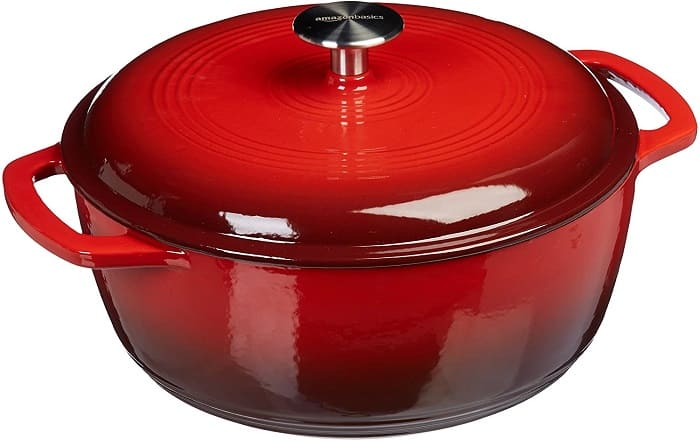
Enameled cast iron cookware is safe because it is a durable material that does not leach iron, has a naturally non-stick surface, and does not rust. These qualities make it a safe choice as it minimizes the risk of health problems associated with cookware made from other materials.
Are enamel Dutch ovens toxic?
In essence, enamel is a form of glass. Enameled cookware is most often cast iron with an enamel coating. I feel that this type of cookware is completely non-toxic and wonderful to cook with. Some people have worried about lead in the enamel cookware, since the enamel coating is often made of clay, which can leach lead.
Is enameled cast iron toxic?
Although Enamel-covered cast iron ware can be very expensive (Le Creuset, for example), it does not react with any food; therefore, it is totally non-toxic.
Are enameled Dutch ovens oven safe?
You can use an enameled cast iron Dutch oven on the stovetop (whether it’s electric, gas, or induction), oven, or grill. It even works on coal- or wood-powered ovens.
Does enameled cast iron leach iron into food?
Unlike traditional cast iron, enameled cast iron does not leach any iron into your food. It is also more durable, protects your pan from rust, and does not require seasoning. You can cook whatever you like in an enameled cast iron pan – you can even boil water or cook acidic foods.
Which is better cast iron or enameled cast iron?
While enamel is useful in that it eliminates the pitted surface of cast iron where food can more readily get trapped and stick, it is not inherently nonstick and does not build up a seasoning. So each time you cook, you’ll need a sufficient amount of fat to avoid stuck-on messes.
Can enameled cast iron go on the fire?
It also has temperature limitations: it’s not recommended for use over open fire (while standard cast-iron is a campfire classic), heating one while empty can crack or damage the enamel, and temperature recommendations for oven use are mixed from brand to brand.
Do I need to season an enamel Dutch oven?
Unlike a traditional cast-iron Dutch oven, you don’t have to season a ceramic or enamel Dutch oven much. Just a quick boil to seal the coating is all you need when the oven is brand new. Some enamel Dutch ovens have an exposed iron rim, so you’ll need to season that to prevent rusting.
Can I preheat an enameled Dutch oven?
Just like above, preheating a Dutch oven on high heat is as bad as cooking with it on high heat. It can heat up too fast and the surface and food can burn. Also, you never want to preheat it while empty – this can cause the enamel to crack – so drizzle your olive oil in first and then switch the stovetop on.
What are the pros and cons of enameled cast iron?
| PROS | CONS | |
| Versatility | Can be used with these heat sources on all cooktops, in the oven, and on the grill. Naturally induction ready | |
| Heat Resistance | Withstands high temperatures of over 500°F | Enamel coating will not withstand the higher heat seasoned cast iron can withstand |
| Heat Retention | Retains heat better than any other cooking pot | |
| Durability | Rust-free if enamel remains undamaged, and seasoned cast iron will remain rust-free if the seasoning is maintained | Thermal Shock – extreme temperature changes will have the enamel reacting to the cast iron core and the enamel will lose – cracking, and chipping will occur |
| Surface Safty | The enamel stops iron from leaching into food | |
| Non Reactive | Enamel is non-reactive | |
| Cleaning | Hand wash is recommended to protect enamel, | Dishwashers are too abrasive for enamel and cause rust on bare cast iron |
| Enamel Design | When made with high-quality materials and manufacturing, the enamel is toxin-free | |
| Colors | Looks great, especially with the color choices available to suit any décor | |
| Maintenance | No seasoning is required, but any exposed enamel rims on the oven and lid should be seasoned with oil | |
| Lifetime | With care both enamel and seasoned cast iron can last a lifetime, high-quality brands are heirloom pieces that offer lifetime warranties and can be handed down | |
| Heat Conduction | Heats up slowly – thermal conductivity is lower than seasoned cast iron – takes longer to heat up | |
| Weight | Heavy – they are cast iron | |
| Not Non-Stick | Enamel is not non-stick – oil is required | |
| Enamel Care | Chipping/scratching – care should be taken with utensils – no metal – wood or silicone | |
| Price | Expensive – brand recognition determines the price – but enamel cast iron can be very expensive (remember you get what you pay for) |
How long do enamel Dutch ovens last?
Dutch ovens are tools that can last a lifetime — good thing, too, because some of them can get pretty pricey.
Can you boil water in enameled cast iron?
Yes, you can boil water safely in enameled cast iron. Enameled cast iron does not require seasoning, unlike traditional cast iron. The enamel coating is incredibly durable. Water boils at 212º and you can safely heat enameled cast iron to 400º to 450º.
Can you use steel utensils on enameled cast iron?
Two enameled pots in our lineup chipped slightly. But that doesn’t mean you should avoid using metal utensils when using enameled cookware. You can use metal utensils in normal fashion as long as you don’t bang them at full force against the edge of the pot or whale it around inside, striking the sides.
Can you sear steak in enameled cast iron?
While you definitely can sear large cuts of meat in enameled cast iron, it will eventually lead to surface staining, which is difficult to remove. The Finish Can Be Fragile: The great thing about regular cast iron is that even if you beat it up a little, it comes back for more.
What do you cook in an enameled Dutch oven?
Enameled Dutch ovens are best for one-pot meals and braises that you start on the stove and finish off in the oven. They’re also good for slow-cooking stews, soups, sauces, and gravies, especially when the recipe calls for long simmering times.
How do you season an enameled Dutch oven?
Can you put an enamel Dutch oven over a fire?
Using an enamel-coated Dutch oven is not recommended over an open fire or directly on hot charcoal. Enameled cookware may not withstand these high temperatures, which can cause the enamel coating to crack, chip, and flake off.
How do you use a enamel Dutch oven for the first time?
Seasoning a new cast iron Dutch oven for the first time takes one to two hours. You preheat your oven or grill to around 425 degrees Fahrenheit or 220 degrees Celcius, clean the Dutch oven and dry it thoroughly. Rub oil over the oven bake it in an oven or grill for 45 minutes then let it cool for 30 minutes. Repeat.
Can you use an enameled Dutch oven on the stove?
You can use cast iron or enameled cast iron comfortably on a gas stovetop. You do not have to worry about the uneven bottom. The supporting hobs around the flame will take care of even exposure of the bottom surface to the flame.
How do I get burnt food off my enamel Dutch oven?
Fill your Dutch oven with water and bring it to a boil. Then add a few big spoonfuls of baking soda (add them slowly as the baking soda will bubble up and foam). Let the mixture simmer on the stove as you use a wooden spoon to scrape up the blackened, burnt-on stains.



Facebook Comments