 John Myers
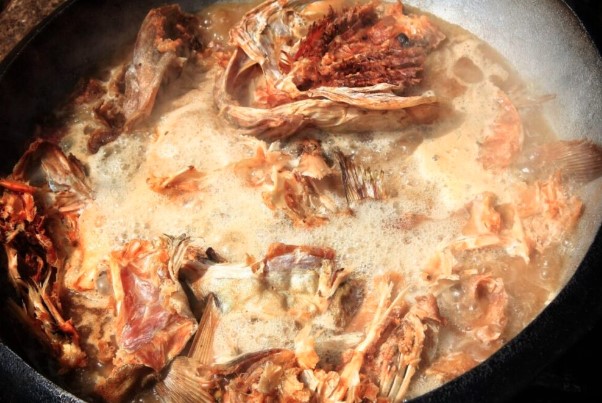
Introduction: Nigerian Food Culture
Nigerian cuisine is characterized by its diverse, rich, and flavorful dishes. It is heavily influenced by the country’s geography, climate, and culture. Nigerian cuisine is a reflection of the country’s history and traditions, which have been shaped by the interactions of various ethnic groups. Nigerian cuisine is widely popular not only in Africa but across the world, with Nigerian restaurants and food trucks popping up in many countries.
Historical Influences on Nigerian Cuisine
Nigerian cuisine has been influenced by various cultures, including the Portuguese, the British, the Arabs, and the West Africans. The Portuguese introduced cassava, maize, peppers, and tomatoes to Nigeria during their colonial rule, which became staple foods in Nigerian cuisine. The Arabs brought rice, which is now a popular ingredient in Nigerian dishes. The British introduced tea, bread, and other baked goods. The West Africans also influenced Nigerian cuisine by sharing their cooking methods and spices.
External Influences on Nigerian Food
Nigerian cuisine has also been influenced by external cultures such as Indian, Chinese, and Middle Eastern cuisine. These influences have been mainly due to the migration of people from these countries to Nigeria. These cultures have brought spices, herbs, and cooking techniques that have been incorporated into Nigerian cuisine.
Examples of Foreign Influences in Nigerian Food
One of the most notable foreign influences in Nigerian cuisine is Indian cuisine. The Indian influence can be seen in dishes such as jollof rice, which is similar to biryani, and suya, which is similar to kebab. Nigerian cuisine also has a Middle Eastern influence, with dishes such as shawarma and falafel being popular in Nigeria. Chinese cuisine has also influenced Nigerian cuisine, with dishes such as fried rice and noodles being popular in Nigeria.
Nigerian Cuisine and Globalization
Globalization has had a significant impact on Nigerian cuisine. With the increased migration of Nigerians to other countries and the popularity of Nigerian cuisine across the world, Nigerian dishes are becoming more diverse and influenced by other cultures. Nigerian chefs are also incorporating foreign ingredients and cooking techniques into their dishes, creating new and exciting flavors.
Conclusion: Nigerian Food and Culinary Diversity
In conclusion, Nigerian cuisine is a testament to the country’s rich history and cultural diversity. Nigerian cuisine has been influenced by various cultures, both internal and external, which have created a unique and vibrant culinary landscape. Nigerian cuisine is now becoming more global, with foreign influences being incorporated into traditional dishes. Nigerian cuisine is a true representation of the country’s cultural diversity and a reflection of the country’s rich history and traditions.



Facebook Comments