 John Myers
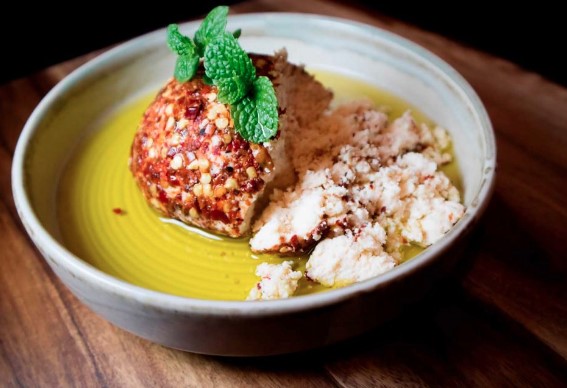
Introduction: Lebanese cuisine and its distinctive ingredients
Lebanese cuisine is known for its rich and diverse flavors, with a focus on fresh, healthy ingredients. The cuisine is a reflection of Lebanon’s history and its location at the crossroads of the Mediterranean and the Middle East. Lebanese food is a combination of Arab, Mediterranean, and European influences, resulting in a unique taste that is both familiar and exotic. Lebanese cuisine includes a wide variety of dishes, from mezze, small plates that are served as appetizers, to hearty stews and grilled meats. One of the key factors that contribute to the unique flavor of Lebanese food is the use of distinctive ingredients.
Aromatic herbs and spices that give Lebanese food its unique flavor
Lebanese cuisine relies heavily on aromatic herbs and spices to give its dishes their distinctive flavor. Some of the most commonly used herbs and spices include mint, parsley, garlic, onion, cumin, coriander, and cinnamon. Mint is a staple in Lebanese cuisine and is used in everything from salads and sauces to teas and desserts. Parsley is another popular herb, used to add flavor and color to dishes such as tabbouleh and falafel. Garlic and onion are used to add depth and complexity to dishes, while cumin, coriander, and cinnamon are used to add warmth and sweetness.
Unusual ingredients that add interest and diversity to Lebanese dishes
In addition to the usual suspects, Lebanese cuisine also makes use of some unusual ingredients that add interest and diversity to its dishes. One such ingredient is sumac, a red, tangy spice that is used as a seasoning in everything from salads to grilled meats. Another unusual ingredient is za’atar, a blend of herbs and spices that includes thyme, oregano, sumac, sesame seeds, and salt. Za’atar is used as a seasoning for bread, meats, and vegetables, and is also mixed with olive oil to make a dip for bread. Another unique ingredient is pomegranate molasses, a thick syrup made from pomegranate juice that is used as a souring agent in dishes such as fattoush salad and muhammara dip.
In conclusion, Lebanese cuisine is renowned for its distinctive flavors, which are the result of a combination of factors, including the use of aromatic herbs and spices, as well as unusual ingredients that add interest and diversity to its dishes. Whether you’re a fan of traditional Lebanese dishes like tabbouleh and hummus or are looking to try something new and exciting, Lebanese cuisine has something for everyone.



Facebook Comments