 John Myers
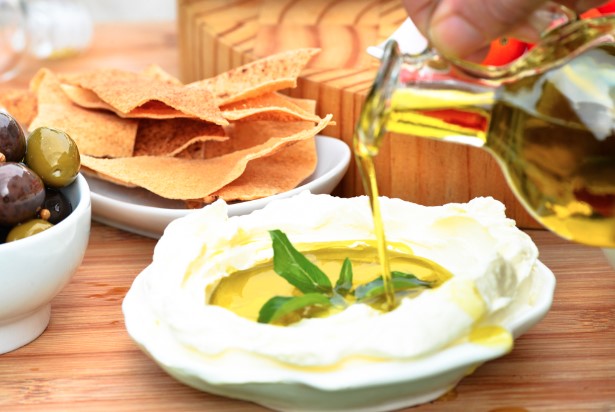
Introduction: Understanding the Significance of Olive Oil in Lebanese Cuisine
Olive oil is a staple ingredient in Lebanese cuisine and is widely used in various dishes. The use of olive oil in Lebanese cuisine dates back to ancient times, where it was used in traditional dishes and for medicinal purposes. Olive oil plays an essential role in Lebanese cooking, adding flavor, richness, and health benefits to the dishes.
Olive oil is a healthy alternative to other types of cooking oils, as it contains monounsaturated fatty acids that are beneficial for heart health. The use of olive oil in Lebanese cuisine is not only for its taste but also for its health benefits.
The production of olive oil is an important industry in Lebanon, with many families owning small olive groves and producing their own oil. The importance of olive oil in Lebanese cuisine is evident in the numerous dishes where it is used.
The Role of Olive Oil in Traditional Lebanese Dishes
Olive oil is used in most traditional Lebanese dishes, including mezze, stews, and salads. It is often used as a base for marinades and dressings, as well as for sautéing vegetables and meats. One of the most popular Lebanese dishes that use olive oil is tabbouleh, a salad made with parsley, tomatoes, onions, and bulgur wheat, dressed with olive oil and lemon juice.
Another traditional Lebanese dish that uses olive oil is baba ghanouj, a dip made with roasted eggplants, tahini, garlic, and lemon juice, and drizzled with olive oil. Olive oil is also used in kibbeh, a ground meat dish made with bulgur wheat and spices, and in muhammara, a dip made with roasted red peppers, walnuts, and pomegranate molasses, and drizzled with olive oil.
Creative Ways to Use Olive Oil in Modern Lebanese Cooking
In modern Lebanese cooking, olive oil is used in creative ways to add flavor and texture to dishes. One of the popular modern Lebanese dishes that use olive oil is shakshuka, a dish made with eggs poached in a tomato and pepper sauce, drizzled with olive oil and served with bread.
Olive oil is also used in modern Lebanese desserts, such as maamoul, a cookie made with semolina flour, stuffed with dates or nuts, and drizzled with olive oil. It is also used in cake recipes to replace butter or margarine, adding a unique flavor to the cake.
In conclusion, olive oil is an essential ingredient in Lebanese cuisine, used in traditional and modern dishes for its flavor, richness, and health benefits. Its use has been passed down through generations, and its importance in Lebanese cooking is evident in the numerous dishes where it is used. Olive oil adds a unique flavor to Lebanese dishes and is a healthy alternative to other types of cooking oils.


Facebook Comments