 John Myers
Contents
show
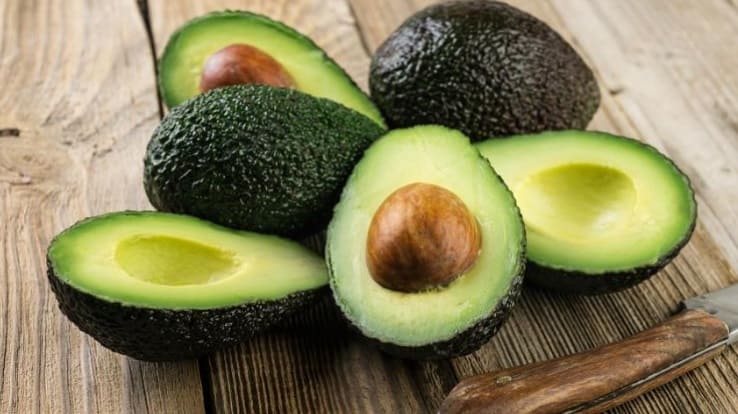
Avocado brown inside – unsightly, but edible
There are two reasons why avocados turn brown on the inside.
- An unripe avocado is hard, a ripe one is soft. An overripe avocado is therefore also soft, but may already be brown on the inside.
- If you cut open an avocado without using it right away, the inside will also turn brown. In this case, the reason is not the degree of ripeness, but oxidation. When the fruit is cut, the cell walls break apart, which triggers the process.
- While the brown spots are unsightly, they are no reason not to eat the avocado. The fruit is inedible as soon as you discover mold.
How to recognize the degree of ripeness of an avocado
- The most common way to determine how ripe an avocado is is the pressure test. Unripe avocados are hard, the riper they get, the easier they are to crush.
- If you buy a ripe, i.e. soft, avocado, you may be unlucky and the fruit is already overripe – and brown on the inside.
- With a little trick, you can see the degree of maturity more precisely. Look at where the stalk of the avocado was. If this breaking point is still freshly green, the inside of the avocado is not yet brown. If the area is already discolored brown, you can assume that the discoloration is also present on the inside of the fruit.
Cut open an unripe avocado – this is how you save the fruit
Avocados should generally only be cut shortly before consumption.
- If you have cut an avocado and only then realized that it is actually not yet ripe, a little trick can help to slow down the oxidation.
- Brush the flesh of both halves with a little lemon juice or olive oil and then put the two halves back on top of each other as precisely as possible.
- Then wrap the avocado tightly in several layers of cling film to seal it as airtight as possible.
- If you keep the prepared avocado in the fridge, there is a good chance that it will continue to ripen without turning brown or spoiling.


Facebook Comments