 John Myers
According to the Federal Institute for Risk Assessment, inorganic arsenic compounds are classified by international bodies as carcinogenic to humans. No intake level can be derived from the available studies that cannot be associated with an increased risk of cancer. The occurrence of inorganic arsenic in food is therefore undesirable in any amount, but cannot be completely avoided.
Arsenic cannot be completely avoided in rice either, because it is a natural component of the earth, occurs in the layers of rock and gets into the plant via the water. Because rice is grown in flooded fields, it absorbs arsenic through its roots. Depending on the soil, the arsenic content in rice can vary greatly.
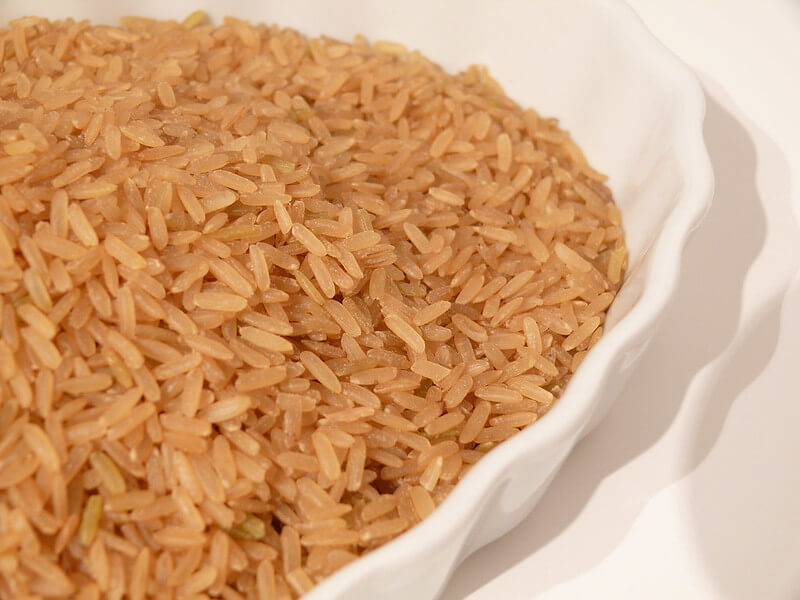
The plant mainly accumulates the substance in the outer layers – one reason why husked rice is usually less contaminated than unhusked brown rice.
Studies show that the arsenic content can be reduced when preparing rice. Arsenic compounds can partially migrate from the rice into the water when rice is washed and cooked in large amounts of water. Therefore, wash the rice in plenty of water, cook in plenty of water and then drain off the excess cooking water. This means that rice can be put on the table once or twice a week without hesitation.



Facebook Comments