 John Myers
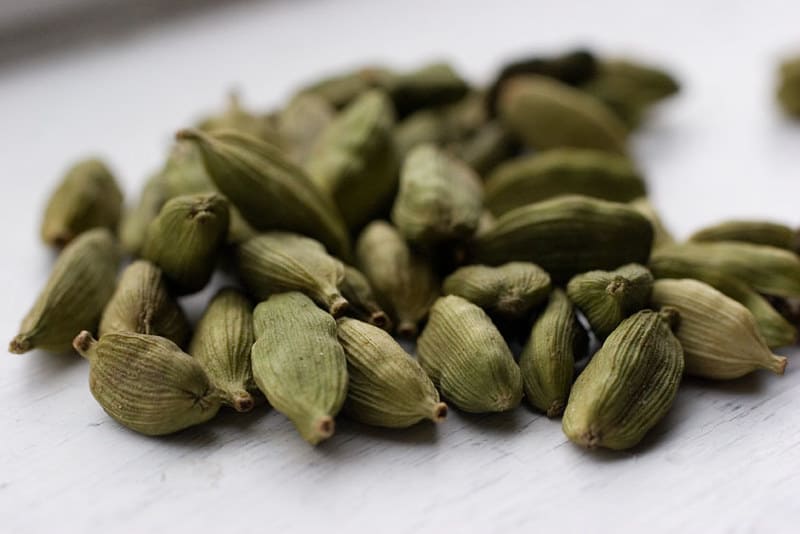
Nobody needs to be afraid of cardamom biscuits during pregnancy. Gingerbread, speculoos and co are allowed. However, pregnant women should still keep an eye on their cardamom consumption. What and in which cases the spice can do something, we have briefly summarized for you here.
Cardamom allowed during pregnancy
Spices, like cardamom, add flavor to food and pastries. However, in high concentrations they can also be used as medicinal herbs, because they contain flavonoids, polyphenols and essential oils that have positive effects on well-being. Does this also apply to pregnancy?
- Different rules apply during pregnancy than for average healthy adults: Pregnant women have to be careful when handling some spices so as not to endanger the healthy development of the unborn child.
- Along with cinnamon, sage, peppermint and cloves, cardamom is one of the spices that are classified as inducing labor due to their essential ingredients.
- Nevertheless, cardamom is also possible during pregnancy in normal amounts to flavor a dish or to prepare a cup of tea. Because the concentrations of active ingredients contained in the essential oils are so low that you would have to eat and drink kilos or buckets of them for the effects to be noticeable. So always pay attention to the dosage.
- Exceptions are at most the first trimester of pregnancy and cases in which there is a tendency to premature labor. In these cases – if pregnancy is already known – it is better to avoid cardamom.
- Cardamom oil gets a different assessment : This is taboo for ingestion or external use during pregnancy. Cardamom oil contains very high levels of essential substances. The risk of stimulating premature labor would be too great.
- Conversely, cardamom or aromatic oil can be used in a targeted manner if the calculated due date has already passed and the baby is a long time coming. A labor-inducing tea with and from cardamom can possibly get things moving. Ask your midwife or gynecologist about this.
The general use of cardamom
Cardamom offered in this country mostly grows in the mountain forests of Sri Lanka and India. The plant belongs to the ginger family. However, it is not the rootstocks (rhizomes) that are used, but the seeds of the seed capsules.
- The brown-black cardamom seeds contain a spicy-sweet aroma with a slightly hot note. It has been popular as a spice for thousands of years: Today it is found in tea as well as in Indian curries, but in Germany it is often found in Christmas cookies such as speculoos or gingerbread, but also in rye bread.
- Chewing on a cardamom pod is an easy way to get rid of bad breath. The spice is even said to help against the smell of garlic or an alcoholic breath.
- Naturopathy relies on the essential substance cineol (eucalyptol) contained in cardamom seeds. It has an antibacterial and antispasmodic effect. The labor-inducing effect is provided by the small amount of camphor, which stimulates blood circulation, among other things.
- Cardamom also finds its place in herbal tea for the stomach and intestines. Here it has a harmonizing and calming effect on a stressed digestive system. Digestion is stimulated, flatulence is alleviated and cramps are relieved. Cardamom also develops its strengths with menstrual or menopausal symptoms.
- In aromatherapy, cardamom oil is credited with mood-enhancing and activating effects.


Facebook Comments