 John Myers
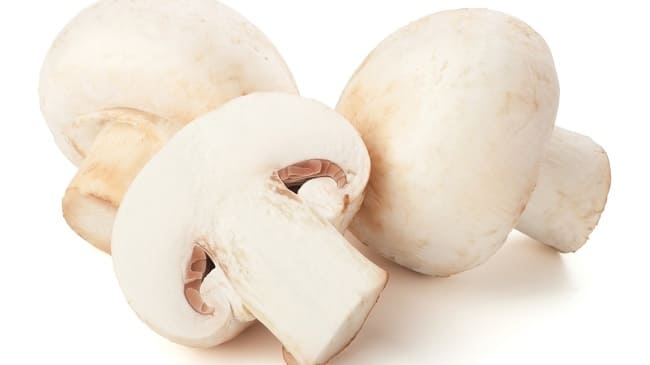
Champignon, also known as Egerling, is a tasty mushroom with a white or brown cap and a smooth or slightly scaly surface. The cultivated mushrooms are offered with closed or slightly open heads.
Origin
The mushroom was discovered in France in the middle of the 17th century. The mushroom used to be cultivated in dark vaults and cellars. Today, cultivated mushrooms are grown in dark, special air-conditioned chambers. It is the number 1 edible mushroom worldwide.
Season
White or brown cultivated mushrooms are now available all year round.
Use
Brush the mushrooms just before preparation, wash if necessary. They can be eaten raw, fried, braised, stuffed or grilled. They also taste very good in sauces with meat, for example as sliced meat with mushrooms. Mushrooms taste characteristic and mild. Brown mushrooms have a stronger flavor. Their firmer flesh also makes them ideal for vegetarian grilling, as our recipe for grilled mushrooms proves. And they also look great on baked goods such as pizza or the imaginative Focaccia Garden. Do you love Egerlinge? Discover more mushroom recipes here!
Storage
Buy mushrooms as fresh as possible and keep them in the fridge. They will then keep for 2-3 days. Best kept in their original packaging, store loose mushrooms in a paper bag or tea towel. Do not store mushrooms in a closed plastic bag, they will become damp and shriveled. Since the mushrooms easily take on foreign odors, do not store them near odor-intensive vegetables.



Facebook Comments