 John Myers
Contents
show
Nutrition in acute diverticulitis
When colonic diverticula cause acute inflammation, the first thing to do is decongest the intestine. The pathological protuberances of the intestines develop as a result of inflammation due to locomotor congestion of chyme. Depending on how severe the symptoms are, you need to adjust your diet accordingly.
- If the course of diverticulitis is mild and you do not need to take antibiotics, you can relieve your intestines with very light food. Insoluble fiber should be carefully avoided during this phase. Boiled potatoes, melted flakes, pureed vegetable soups, and low-dairy products are good choices for this time. Important: Always drink enough.
- In the case of more severe inflammation and a more complicated course, however, you should completely abstain from eating for a few days. During this phase, you will need IV fluids in the hospital. Your antibiotic will also be given to you in this way.
- As soon as the symptoms have subsided and the blood inflammation parameters are back on track, you can slowly begin to build up your diet. The right choice of food is low in fiber and easily digestible for the first four days. After that, you can eat normally again.
Eating before and after colon surgery
If your diverticulitis requires surgery, you will be given IV fluids at the hospital. Eating is not necessary and not advisable during this time.
- Even before the date of the operation, you should try to avoid eating as much as possible. A lot of liquid, on the other hand, is important. Follow the anesthetist’s instructions.
- After an operation, you can begin to slowly re-accustom your bowel to food. A diet similar to that of mild acute diverticulitis is now the right decision. Make the progress, how much you already expect of your intestines, also depends on your own inner feeling, and gradually increase the intake of solid food.
- From the second day after the operation, you can usually switch to a light diet. Avoid bloating vegetables such as cabbage, onions, or peppers, acidic types of fruit, and high fat.
- After five days you can eat normally again. It is best to follow nutritional recommendations that build up the intestinal flora because these are the best protection against relapse.
High fiber prevents inflammation
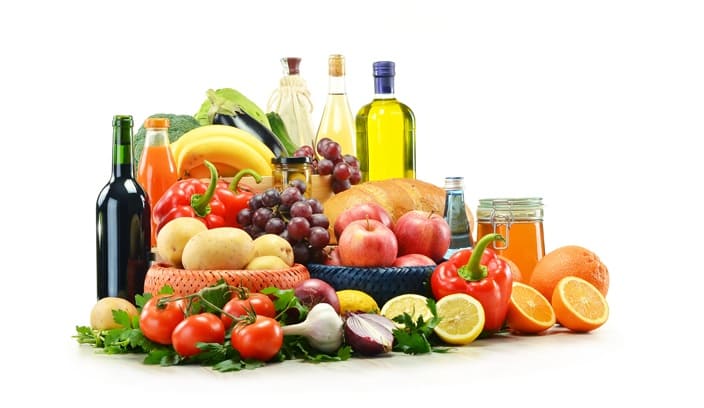
Once you have recovered from diverticulitis, you should take preventive measures to avoid getting it again. You can achieve this if you refresh your diet with high fiber content and lots of vegetables, raw vegetables, and fruit. You should also note the following:
- Eat whole grains whenever possible. The more fiber that arrives in the gut, the better your digestion and elimination will work. In this way, you can reduce the build-up of feces in front of the rectum and extreme pressure conditions that promote bowel protrusion and the formation of foci of inflammation.
- Instead of meat, you plan to eat vegetarian dishes more often. Legumes are also very good sources of dietary fiber with lots of protein. Make sure that you eat red meat as little as possible, as this promotes the formation of diverticula.
- Build up a healthy intestinal flora by consuming lots of lactic acid-fermented foods such as yogurt, sour milk, buttermilk, or pickled vegetables such as fresh sauerkraut.
- Taking one or two spoonfuls of linseed oil a day is very good care for a strained intestine. This can reduce the pressure in the bowel caused by a stuck stool.


Facebook Comments