 John Myers
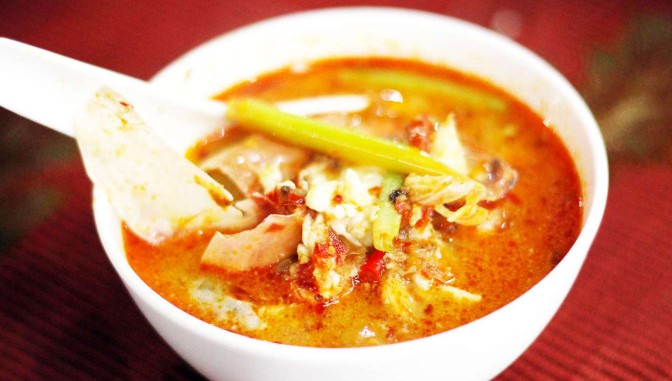
Introduction: Mexico’s Spicy Cuisine
Mexican cuisine is known for its bold and vibrant flavors, thanks in large part to the use of spices and chiles. These ingredients not only add heat and spice to dishes, but they also bring depth and complexity to the overall flavor profile. From the smoky heat of chipotle peppers to the fruity notes of ancho chiles, Mexican spices and chiles have a range of flavors and uses that make them an essential part of the country’s culinary heritage.
History of Mexican Spices and Chiles
Mexico’s use of spices and chiles dates back to its indigenous civilizations, such as the Aztecs and Mayans, who used these ingredients in their cooking and religious rituals. When the Spanish arrived in Mexico in the 16th century, they brought with them new spices and ingredients, such as cinnamon, cloves, and black pepper. Over time, these spices were incorporated into traditional Mexican dishes, creating new flavor combinations and culinary traditions. Today, Mexico is a hub for spice production and export, with a wide variety of chiles and spices grown across the country.
Understanding the Scoville Scale
When it comes to spicy food, the Scoville Scale is used to measure the heat of chiles and peppers. This scale was developed by American chemist Wilbur Scoville in 1912 and measures the amount of capsaicin, the compound that gives chiles their heat. The scale ranges from 0 (no heat) to over 2 million (extremely hot), with jalapeño peppers falling in the range of 2,500 to 8,000 Scoville units and habanero peppers measuring between 100,000 and 350,000 units. Understanding the Scoville Scale can help you choose the right chile for your desired level of heat in a dish.
Popular Mexican Spices and Chiles
Some of the most popular Mexican spices and chiles include:
- Cumin: Used in many spice blends, cumin adds a warm, earthy flavor to dishes.
- Oregano: Mexican oregano has a stronger and more pungent flavor than Mediterranean oregano and is often used in Mexican marinades and sauces.
- Chipotle: These smoked and dried jalapeños are a key component in adobo sauce and add a smoky heat to dishes.
- Ancho: These dried poblano peppers have a sweet and fruity flavor, with a mild to medium level of heat.
- Guajillo: These dried chiles have a mild to medium heat and a sweet, slightly tangy flavor.
Regional Varieties of Mexican Spices
Mexico’s diverse regions have their own unique spice blends and chiles that are used in regional dishes. For example, the Yucatan Peninsula is known for its use of achiote paste, made from annatto seeds and other spices, which adds a bright red color and earthy flavor to dishes. The state of Oaxaca is famous for its use of dried chiles, such as pasilla and costeño, in its famous mole sauces. And in the northern state of Sonora, carne asada is often seasoned with a blend of garlic, cumin, and paprika.
Health Benefits of Eating Spicy Foods
In addition to their delicious flavor, Mexican spices and chiles also offer several health benefits. Capsaicin, the compound that gives chiles their heat, has been shown to boost metabolism and reduce inflammation. Spices like cinnamon and oregano are rich in antioxidants, which can help protect against cellular damage and chronic diseases. Additionally, many spices and chiles have antimicrobial properties that can help prevent foodborne illness.
Preparing and Cooking with Mexican Spices
To get the most flavor out of your Mexican spices and chiles, it’s best to toast them before using. This helps release their essential oils and intensify their flavor. You can toast spices in a dry skillet over medium heat for a few minutes until fragrant, or toast chiles by heating them in a dry skillet until they puff up and become aromatic. When using ground spices, be sure to store them in an airtight container and use them within six months for maximum freshness.
Pairing Spicy Food with Beverages
When it comes to pairing beverages with spicy Mexican dishes, it’s best to go for something that can help cool down the heat. Beer is a popular choice, especially light Mexican lagers like Corona or Modelo. Margaritas and other citrus-based cocktails can also help cut through the heat, as can sparkling water with a squeeze of lime or lemon.
Spicy Mexican Cuisine Around the World
Mexican cuisine is enjoyed around the world, with many countries adapting and incorporating Mexican spices and chiles into their own culinary traditions. In the United States, Tex-Mex cuisine is a popular fusion of Mexican and American flavors, while in Japan, the spicy mayo used in sushi rolls is often made with Mexican-style chili powder. Mexican cuisine has also influenced the food of other Latin American countries, such as Peru and Colombia.
Conclusion: Spice up Your Life with Mexican Cuisine
Whether you’re a spice lover or a newcomer to the world of Mexican cuisine, exploring the country’s diverse array of spices and chiles is sure to add excitement and flavor to your meals. From the mild heat of ancho chiles to the fiery kick of habaneros, there’s a spice for every palate. So next time you’re in the kitchen, consider adding some Mexican spices to your dishes and discover the heat and flavor of this vibrant culinary tradition.


Facebook Comments