 John Myers
Are Lodge skillets pre seasoned?
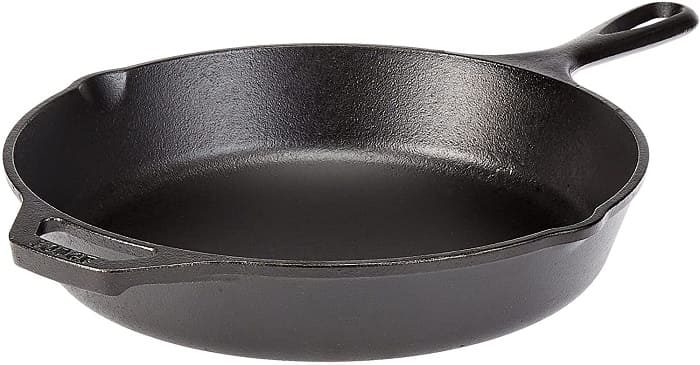
Every piece of Lodge cast iron cookware comes seasoned and ready to use right out of the box. The easiest way to maintain this layer of seasoning is to use your cast iron pan.
Should I season a new Lodge cast iron?
Should you season Lodge cast iron before first use?
We spray a thin layer of vegetable oil onto the surface of each piece of cast iron and bake it at a high temperature in a large oven. Now, Lodge cast iron cookware is seasoned before it leaves the foundry and is essentially ready to use, right out of the box.
How do you break in a new Lodge cast iron skillet?
Put the pan in the oven and leave it in there for several hours, or even all day. And that’s it! Simply rub the pan with a little oil and leave it in an oven on low heat all day. When it comes out, you’ll have a cast-iron skillet with a glistening surface that’s non-stick, according to Rachael.
How do you use new Lodge cast iron?
Lodge cast iron comes seasoned and ready to use right out of the box. Just give it a quick rinse, hand dry, and start cooking.
What is the best oil to season cast iron?
All cooking oils and fats can be used for seasoning cast iron, but based on availability, affordability, effectiveness, and having a high smoke point, Lodge recommends vegetable oil, melted shortening, or canola oil, like our Seasoning Spray.
Is olive oil good for seasoning cast iron?
Do not use olive oil or butter to season your cast-iron pan — they’re great to cook with, just not for initial seasoning. Place the pan upside down on the top rack of the oven and bake for 1 hour. Turn off the oven, leaving the pan in the oven to cool completely as the oven cools down.
How can you tell if cast iron is seasoned?
An easy way to test a skillet’s seasoning is to fry an egg (heat 1 tablespoon vegetable oil in skillet over medium heat for 3 minutes, then add egg). If your pan is well-seasoned, you should not experience any major sticking.
Can you over season cast iron?
Although it seems odd, it is technically possible to over-season a skillet. Too much oil baked into the cast iron will cause it to polymerize unevenly and eventually will cause the surface of the skillet to flake. Adding too much oil when seasoning will also cause your pan to become sticky, notes Lodge.
Should you wash a brand new cast iron skillet?
When it comes to new and used skillets — a little soap and water is a good thing. This first wash removes factory residue or rust bits. Make sure you rinse and dry the pan well after this first washing. You’ll likely only need to wash your skillet with soap once or twice a year if you take good care of it.
Should you spray cast iron skillet with Pam?
Do not try to use nonstick sprays like Pam to season your cast iron skillet, as they contain other ingredients that aren’t good for your pan.
Why is my cast iron sticky after seasoning?
If the seasoning in your pan is sticky, this is a sign of excess oil built up on the cookware. The Fix: To remedy stickiness, place the cookware upside down on the top rack of the oven and bake at 450-500 degrees F for one hour. Allow to cool and repeat if necessary.
Can you fry eggs in a cast iron skillet?
With a few simple tricks to choose the right oil and get your pan to that just-right temperature, you’ll get eggs with crispy edges and runny yolks every time (if that’s your jam). But don’t worry, cast iron makes the perfect egg no matter how you like them done!
Can you put butter in cast iron?
Yes, you can cook with butter in your cast iron skillet or Dutch oven. Keep in mind that butter burns at temperatures above 350°F (177°C), so you shouldn’t use high heat when you’re frying foods with it.
Can I cook bacon in cast iron?
One of the best ways to cook bacon on the stovetop is with a cast-iron skillet or frying pan. Non-stick isn’t necessary for cooking bacon on a skillet because as the bacon releases fat, it creates a slippery coating, which allows the bacon to slide around and be turned over.



Facebook Comments