 John Myers
Fusion Indonesian Cuisine: A Gastronomic Adventure
Indonesian cuisine is renowned for its aromatic spices, unique ingredients, and diverse flavors. The country’s rich culinary traditions have been shaped by centuries of trade, migration, and colonialism, making Indonesian food a melting pot of cultural influences. In recent years, a new trend has emerged in the Indonesian culinary scene – fusion cuisine. This culinary style blends traditional Indonesian recipes with international flavors, creating a unique and exciting gastronomic experience.
Fusion Indonesian cuisine is a celebration of Indonesia’s rich cultural heritage, combining the country’s traditional ingredients and spices with a modern twist. Chefs are experimenting with new techniques and ingredients, creating bold and innovative dishes that are drawing foodies from all over the world. Whether you are a fan of spicy food or prefer milder flavors, there is something for everyone in the world of fusion Indonesian cuisine.
The Origins of Indonesian Cuisine
Indonesia is a vast archipelago, consisting of over 17,000 islands, each with its own unique cuisine. Indonesian food is heavily influenced by the country’s history of trade and migration, with Indian, Chinese, and European cuisines all leaving their mark on the country’s dishes. The country’s tropical climate and fertile soil have also contributed to the abundance of fresh fruits, vegetables, and spices that are used in Indonesian cooking.
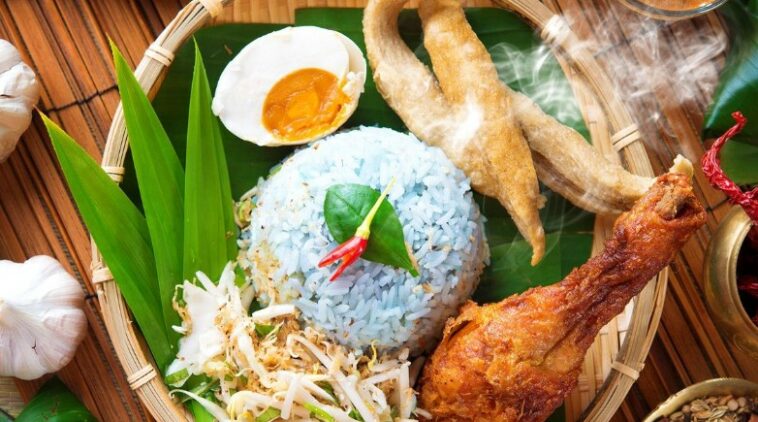
Traditional Indonesian cuisine is characterized by its bold and complex flavors, with a focus on aromatic spices such as turmeric, ginger, and lemongrass. Rice is a staple food in Indonesia, and is usually served with a variety of side dishes, including meat, fish, vegetables, and spicy sambals (condiments). Some of the most popular Indonesian dishes include nasi goreng (fried rice), rendang (spicy beef stew), and satay (grilled meat skewers).
Fusion Food: A Cultural Medley
Fusion cuisine is a culinary style that combines two or more distinct culinary traditions to create a new and exciting flavor profile. In the case of Indonesian fusion cuisine, chefs are blending traditional Indonesian recipes with international flavors, creating dishes that are both familiar and exotic. For example, nasi goreng can be transformed into a Mexican-inspired dish with the addition of salsa and guacamole, while rendang can be given a Japanese twist with the addition of soy sauce and sake.
Fusion cuisine is all about experimentation and creativity, using traditional recipes as a starting point and adding new flavors and techniques to create something entirely new. It is a celebration of cultural diversity, as chefs draw inspiration from different culinary traditions to create a unique and exciting culinary experience.
Indonesian Ingredients and Their Flavors
Indonesian cuisine is known for its bold and complex flavors, thanks in large part to the country’s rich array of spices and ingredients. Some of the most commonly used spices in Indonesian cooking include turmeric, ginger, lemongrass, galangal, and coriander. These spices are used to create aromatic pastes and sauces, which are then used to flavor meat, fish, and vegetables.
In addition to spices, Indonesian cuisine also relies heavily on fresh herbs and aromatics, such as kaffir lime leaves, pandan leaves, and tamarind. These ingredients add depth and complexity to dishes, balancing out the spiciness and creating a unique flavor profile.
Indonesia is also home to a variety of unique ingredients, such as tempeh (fermented soybeans), kecap manis (sweet soy sauce), and sambal (spicy condiment). These ingredients are essential to Indonesian cuisine, and are used in a variety of dishes, from street food to fine dining.
The Art of Mixing Indonesian Spices
The use of spices is central to Indonesian cuisine, and mastering the art of mixing them is key to creating authentic Indonesian dishes. There are dozens of different spices and herbs used in Indonesian cooking, each with its own unique flavor and aroma. Balancing these flavors is essential to creating a harmonious and delicious dish.
One of the most important techniques in Indonesian cooking is the use of a mortar and pestle to grind spices into a paste. This allows the flavors to meld together and creates a complex and aromatic base for dishes. In addition, many Indonesian dishes are cooked low and slow, allowing the flavors to develop over time and creating a rich and flavorful dish.
From Street Food to Fine Dining: Fusion Indonesian Restaurants
Fusion Indonesian cuisine has exploded in popularity in recent years, with a number of restaurants around the world offering their own take on this exciting culinary style. From street food stalls to fine dining establishments, there are a variety of options available for those looking to explore the world of fusion Indonesian cuisine.
Some of the most popular fusion Indonesian restaurants include Gaggan in Bangkok, which offers a modern take on Indonesian street food, and Locavore in Bali, which fuses Indonesian ingredients with European techniques. In addition, many Indonesian chefs are bringing their own unique spin to the world of fusion cuisine, creating exciting and innovative dishes that showcase the best of Indonesian cuisine.
Indonesian Fusion Recipes to Try at Home
For those looking to try their hand at Indonesian fusion cuisine, there are a variety of recipes available online. Some popular dishes include nasi goreng with pineapple and shrimp, which adds a sweet and tangy twist to this classic dish, and beef rendang tacos, which fuse Indonesian and Mexican flavors.
One of the key ingredients in many Indonesian fusion dishes is kecap manis, a sweet soy sauce that is used to add depth and complexity to sauces and marinades. In addition, many fusion dishes use a variety of fresh herbs and aromatics, such as lemongrass and kaffir lime leaves, to create a unique and exotic flavor profile.
Pairing Wine and Indonesian Cuisine: A Guide
Pairing wine with Indonesian cuisine can be a challenge, as the bold and complex flavors of Indonesian dishes can overpower many wines. However, there are a few guidelines that can help you find the perfect pairing.
One strategy is to pair spicy dishes with wines that have a high acidity and low alcohol content, as these can help to balance the spiciness and enhance the flavors of the dish. Another option is to pair Indonesian dishes with fruity, aromatic wines, such as Riesling or Gewurztraminer, which can complement the complex flavors of the dish.
Indonesian Fusion Desserts to Satisfy Your Sweet Tooth
Indonesian cuisine is known for its bold and complex flavors, but it also has a variety of delicious desserts to satisfy your sweet tooth. Many of these desserts use traditional Indonesian ingredients, such as fresh tropical fruits, coconut, and palm sugar, to create a unique and exotic flavor profile.
Some popular Indonesian fusion desserts include pandan-infused panna cotta, which combines Italian and Indonesian flavors, and coconut and jackfruit ice cream, which fuses tropical flavors with a creamy and sweet ice cream base. These desserts are the perfect way to end a meal and showcase the best of Indonesian fusion cuisine.
Exploring the Future of Indonesian Fusion Cuisine
As the Indonesian culinary scene continues to evolve, it is likely that fusion cuisine will play an increasingly important role. Chefs are experimenting with new ingredients and techniques, creating bold and exciting dishes that are drawing foodies from all over the world. Whether you are a fan of spicy food or prefer milder flavors, there is something for everyone in the world of fusion Indonesian cuisine.


Facebook Comments