 John Myers
Introduction: Indonesian Cuisine Overview
Indonesian cuisine is a diverse and flavorful mix of influences from its many islands and cultures. With over 300 ethnic groups and more than 17,000 islands, the cuisine of Indonesia is as varied as its people. Indonesian food is known for its bold and complex flavors, which come from a variety of aromatic herbs and spices. The cuisine is also heavily influenced by Chinese, Indian, and Dutch cooking, making for a unique blend of flavors and techniques.
Indonesian Spices and Ingredients
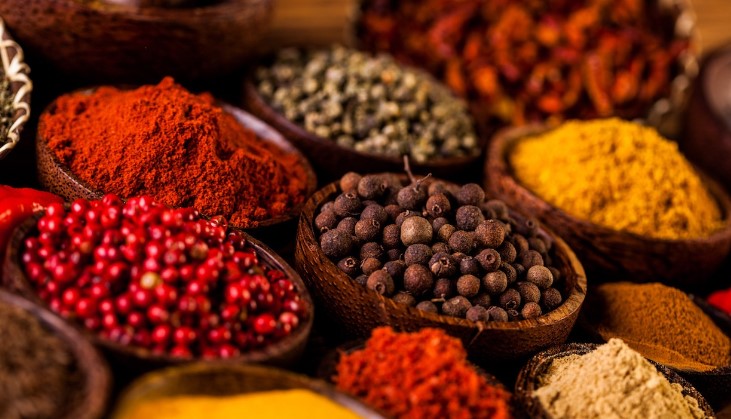
Indonesian cuisine is known for its use of spices such as turmeric, coriander, cumin, ginger, and lemongrass, which give dishes their signature flavors. Other key ingredients include coconut milk, soy sauce, palm sugar, and tamarind. Indonesian cooking also features a variety of proteins such as chicken, beef, fish, and tofu. Vegetables such as eggplant, green beans, and cassava are also commonly used in dishes.
The Art of Balancing Flavors
Indonesian cuisine is all about balancing flavors, with sweet, sour, salty, and spicy all playing a role in traditional dishes. The use of palm sugar and tamarind help balance out the spiciness of chili peppers, while soy sauce and shrimp paste add a savory umami flavor. Balancing flavors is a key skill in Indonesian cooking, as it creates a harmonious and complex taste experience.
Traditional Indonesian Dishes
Indonesian cuisine has a wide range of traditional dishes, such as nasi goreng (fried rice), rendang (slow-cooked beef in coconut milk), and satay (grilled meat skewers). Other popular dishes include gado-gado (vegetable salad with peanut sauce), soto ayam (chicken soup), and bakso (meatball soup). These dishes are staples in Indonesian cuisine and can be found in restaurants and street-side food stalls across the country.
Regional Variations in Indonesian Cuisine
Indonesian cuisine varies from region to region, with each area having its own unique dishes and flavors. For example, Sumatran cuisine is known for its fiery curries and spicy dishes, while Javanese cuisine is more mild and sweet. Bali is known for its fresh seafood and vegetarian dishes, while Manado in North Sulawesi is famous for its spicy seafood dishes.
Heat in Indonesian Cuisine: From Mild to Fiery
Indonesian cuisine is not for the faint of heart when it comes to spiciness levels. From mild to fiery, Indonesian cuisine has something for everyone. Some dishes, such as sate kambing (grilled goat skewers) and sambal (spicy chili sauce), are known for their intense heat. Other dishes, like nasi goreng, are more mild and can be enjoyed by those who prefer less spice.
Indonesian Street Food: A Culinary Adventure
Indonesian street food is a culinary adventure for those who love to explore new flavors and textures. From sate (meat skewers) to martabak (stuffed pancakes), and from bakso (meatball soup) to siomay (dumplings), Indonesian street food offers a wide range of delicious and affordable options. Street vendors can be found on almost every corner, offering up some of the best food experiences in the country.
Vegetarian and Halal Options in Indonesian Cuisine
Indonesian cuisine offers plenty of options for vegetarians and those who follow halal diets. Many traditional dishes, like gado-gado and nasi goreng, can easily be made vegetarian by omitting the meat and adding tofu or tempeh. Indonesian cuisine also offers plenty of halal options, with many restaurants and street vendors serving only halal meats.
Indonesian Desserts: Sweet Endings
Indonesian desserts are a sweet and delicious way to end a meal. Popular desserts include pisang goreng (deep-fried bananas), bubur ketan hitam (black glutinous rice pudding), and es cendol (a sweet drink made with coconut milk, palm sugar, and green jelly noodles). These desserts are often made with coconut milk, palm sugar, and a variety of fruits and nuts.
Indonesian Drinks: A Refreshing Treat
Indonesian drinks are a refreshing treat, especially in the hot and humid climate of the country. Popular drinks include es teh (sweet iced tea), es jeruk (sweet orange juice), and es kelapa (coconut water). Indonesian coffee is also famous, with many regions producing high-quality beans. Indonesian drinks are a perfect way to cool down and enjoy the flavors of the country.


Facebook Comments