 John Myers
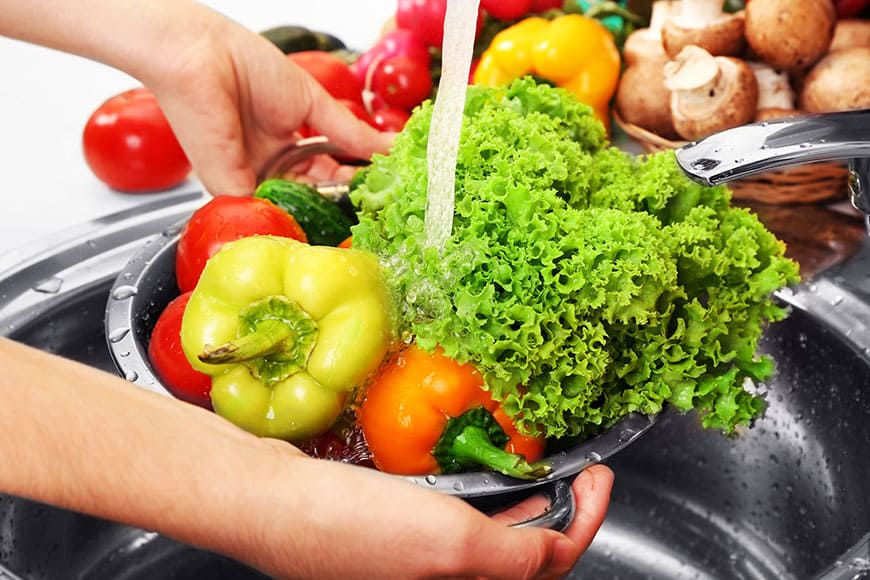
A remnant of the meat juices from the soup chicken on the cutting board, and that’s it: you’ve been infected with salmonella and are now suffering from nausea and diarrhea. With our tips for kitchen hygiene, it doesn’t have to come to that.
Must be clean: food hygiene
It is not without reason that food hygiene is regulated in a statutory ordinance, because raw meat and other foods can transmit bacteria, viruses, and parasites. Conversely, a lack of cleanliness makes food spoil more easily. Restaurants, canteens and retailers are regularly checked for compliance with the regulations. You have to take care of food safety in your home kitchen yourself. It is important to know the critical foods and the areas and behaviors that promote germ proliferation.
These foods are particularly delicate
You should be particularly careful with raw meat, fish, eggs, raw milk, and cheese as well as frozen food, as germs like to settle on them and multiply quickly at higher temperatures. When shopping, make sure that these foods do not heat up too much, for example in an overheated car in summer. At home, they belong in the fridge or freezer as soon as possible. Always keep sausages, fish, and meat covered and separate, for example in lockable boxes. Ready-made dishes with raw ingredients such as tiramisu or tartare should always be refrigerated. Always wash your hands thoroughly with warm water and soap before and after handling food. This will prevent your hands from acting as carriers of germs.
Potential germ carriers: cutting boards
The chopping board is also a key potential source of transmission, because numerous steps in the preparation of food take place on it. Here we cut and cut meat or fish, vegetables, fruit or bread. Don’t use just one board for everything, ideally three different ones. In this way you avoid that food comes into contact with pathogens via adhering residues. You should clean the boards thoroughly after each use. You can find out what is important when cleaning and what the advantages and disadvantages of the different materials are from our cooking experts in the article Wood or plastic: Which chopping board is more hygienic? Of course, you should also pay attention to hygiene with all other work surfaces: Read our kitchen tips, for example, how to clean your ceramic hob properly.
Replace cleaning and dishwashing utensils regularly
Sponges, brushes, and kitchen towels, which are supposed to ensure cleanliness, are often a collection point for pathogens. If they are not thoroughly rinsed out every time food residue is wiped away, germs multiply in the moist environment. You should therefore rinse the cleaning utensils after each use and replace them more often. You can also put dishwashing brushes in the dishwasher to disinfect them, and sponges and cloths can be briefly rid of germs in the microwave. According to experts, only a change of cleaning assistants is really effective in the long term.



Facebook Comments