 John Myers
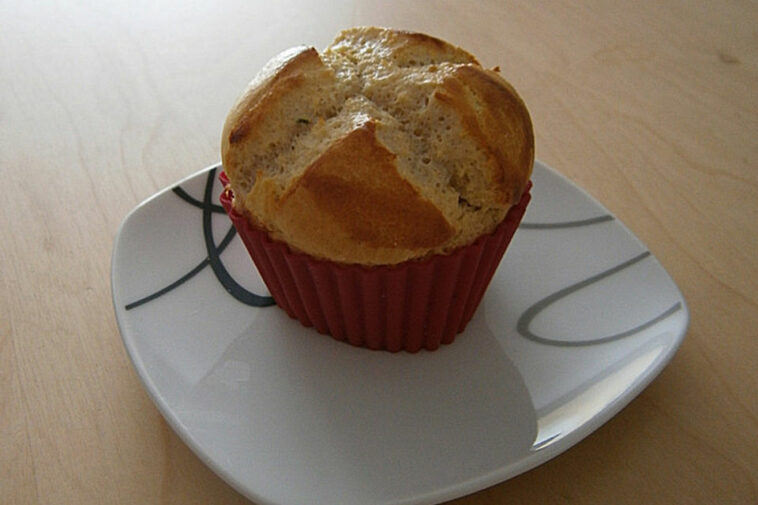
Ingredients for 1 servings:
- 250 g tapioca flour (tapioca starch)
- 125 g cassava flour
- 2 large eggs, or 3 in size M
- 38 g olive oil
- 1 cube of yeast or 1 packet of baking powder
- 3 pinches of salt
- 1 pinch(s) vegetable stock powder
- 104 g buttermilk
- 35 g butter, melted
- 1 tbsp, levelled powdered sugar
Instructions
Working time approx. 20 minutes; Rest time approx. 30 minutes; Cooking/baking time approx. 30 minutes; Total time approx. 1 hour 20 minutes
with yeast-free variant
Two notes: 1. The liquid ingredients are given in grams to ensure an exact measurement, as the measurements must be followed precisely for the dough to achieve its perfect consistency. 2. None of the ingredients need to be at room temperature. For the rolls, weigh all the cassava flour and 125g of tapioca starch into a large mixing bowl. Then mix slightly to create a more homogeneous dough. Add olive oil, eggs, salt, and soup seasoning. Weigh the butter and melt it in a small bowl in the microwave or in a small saucepan on the stove; do not let it boil. Weigh the buttermilk into a separate bowl. Add the melted butter, crumbled yeast, and powdered sugar to this bowl. Mix well. Pour this yeast mixture into the large bowl and mix everything thoroughly with a hand mixer or whisk until a homogeneous mixture is formed. The dough will be quite liquid at this point and will therefore be easy to mix, so don’t be surprised. Place the bowl in a warm water bath – slightly warmer than lukewarm – and cover with plastic wrap. Let rest for 30 minutes. The dough should roughly double in size. Preheat the oven to 200°C before the proving time. While the dough is proving, line a baking sheet with parchment paper and place the muffin cups on it. Silicone cups don’t need to be greased. If they aren’t, grease them beforehand with either a little olive oil or melted butter. Remove the dough from the water bath and empty it onto a work surface dusted with tapioca starch. The dough will still be very sticky and runny. Now knead the dough by hand, gradually adding the remaining tapioca starch until the dough is elastic and no longer sticks to your hands. It’s normal for it to stick slightly to the work surface and shouldn’t affect the result. If the 125g of tapioca starch isn’t enough, simply add more until the dough reaches the consistency described above. If the dough starts to become brittle, stop adding more starch. Then shape the dough into a long log and cut into pieces to fit the baking molds. Then shape these pieces into balls and place them in the molds. Cut a cross into the top of the dough in the molds, then brush with a little water. Place in the oven for 10 minutes. To ensure the rolls turn a nice golden brown, remove them from the oven and brush with a little milk. Then return to the oven for another 15-30 minutes, until the rolls have a nice golden brown color. Let them cool, slice them, and enjoy. With baking powder, without yeast: Since there is no proving time for the dough, it is recommended to preheat the oven and prepare the baking sheet as soon as you start working. Simply weigh all the ingredients in a large bowl and mix them together; the powdered sugar can be omitted. This dough variation is also suitable for snacks and pretzel sticks. For pretzel sticks, sprinkle the dough with salt and caraway seeds before baking. For pizza bread, instead of brushing with milk, brush with a mixture of oil, garlic, herbs, milk, salt, and pepper. In either case, shape the dough into sticks. Additional information: These rolls are great for breakfast or as a side dish for goulash or similar dishes. Cassava flour and tapioca starch can be found either in cultural centers or in African/Asian markets. Freezing the rolls is not recommended, as these flours behave differently than wheat flour, and there is a risk that the rolls will become inedible afterward.



Facebook Comments