 John Myers
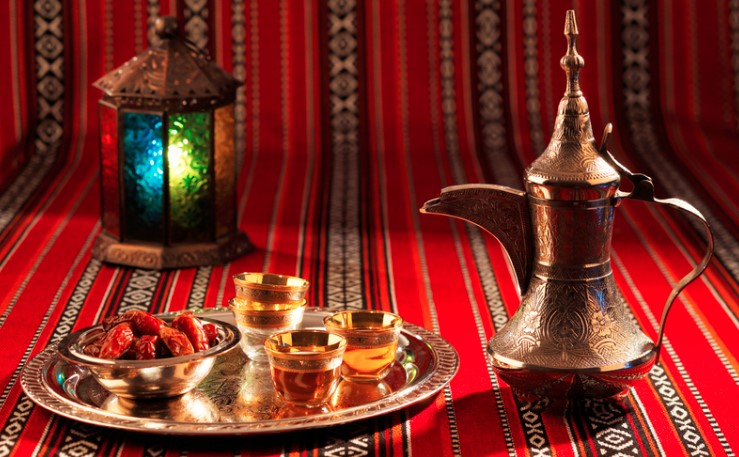
Introduction: Traditional Tea in Kuwait
Tea is one of the most popular beverages worldwide, and Kuwait is no exception. Kuwaitis have a long-standing tradition of drinking tea and enjoy it as a part of their daily routine. Kuwaiti tea is a type of black tea, which is known for its strong flavor and aroma. It is usually served hot and sweetened with sugar or honey. Kuwaiti tea is not only a drink but also a symbol of hospitality and cultural identity.
Ingredients and Equipment Used in Kuwaiti Tea
The ingredients used in Kuwaiti tea are simple and easily available. The primary ingredient is black tea leaves, usually imported from India or Sri Lanka. Kuwaitis also add fresh mint leaves to enhance the flavor. To sweeten the tea, they use sugar or honey. Furthermore, they use evaporated milk or cream to give the tea a creamy texture and a distinct taste.
To prepare Kuwaiti tea, traditional utensils are used. A brass teapot, locally known as the dallah, is used to brew the tea. A strainer is also used to remove any tea leaves or mint leaves, ensuring a smooth texture. In Kuwait, the dallah and the tea are served in small glass cups, which are specially designed to withstand the heat of the tea.
Steps for Preparing Kuwaiti Traditional Tea
To prepare Kuwaiti tea, start by boiling water in the dallah on the stove. Once the water comes to a boil, add black tea leaves and fresh mint leaves. Allow the tea to steep for five minutes, or until it has reached the desired strength. Strain the tea into another pot or pitcher, and add sugar or honey to taste. Finally, add evaporated milk or cream to the tea, stirring gently to combine. The tea is now ready to serve.
In conclusion, Kuwaiti traditional tea is an essential part of Kuwaiti culture, and it reflects the hospitality and warmth of the people. The ingredients used in Kuwaiti tea are simple and easily available, and the equipment used is traditional and unique. To prepare Kuwaiti tea, one must follow specific steps, including using a dallah and strainer. Drinking Kuwaiti tea is not just about the taste but is also a cultural experience that is worth savoring.


Facebook Comments